


Original anime artwork has become a new obsession for collectors: from old hand-painted cels to dougas and gengas, those raw sketches that capture the animator’s movement. But behind the technique lies a deeply personal journey.
In this article, I share mine: from my very first Saint Seiya cel to my passion for Fate and Shaman King production drawings.
Why did I abandon cels to focus entirely on pencil work? How did this passion turn me into a collector obsessed with preserving this unique memory?
Here’s my story.
Sommaire
- The first time: a single sheet of plastic that changed everything
- My cel period: the first flames of the obsession
- The switch to dougas and gengas
- The heart of my passion: the line that gives life
- My collector criteria: from impulse to precision
- The scars of a collector
- From fan to curator: passing on a memory
- Conclusion: my private manifesto
The first time: a single sheet of plastic that changed everything
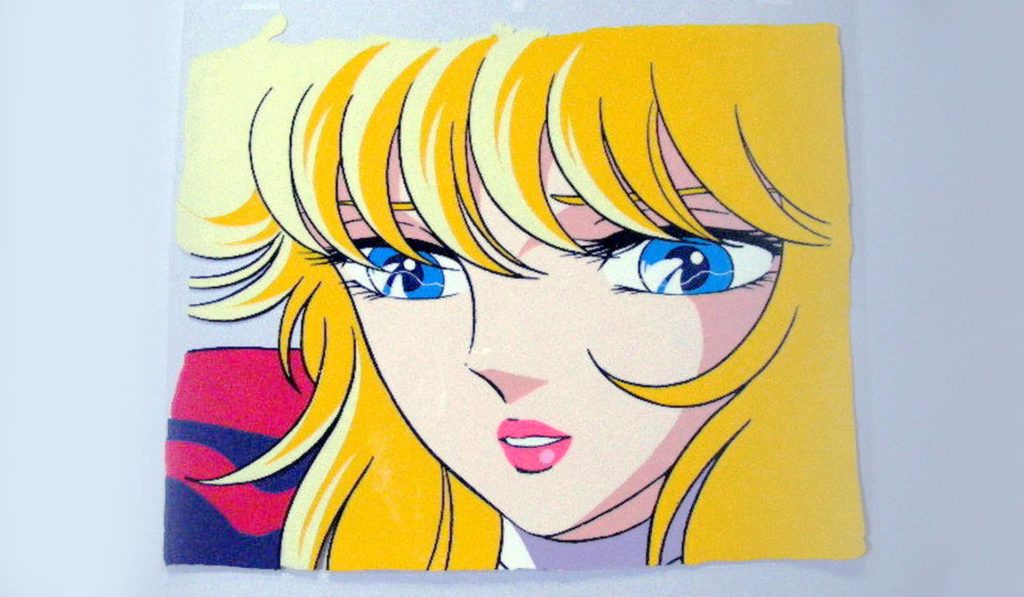
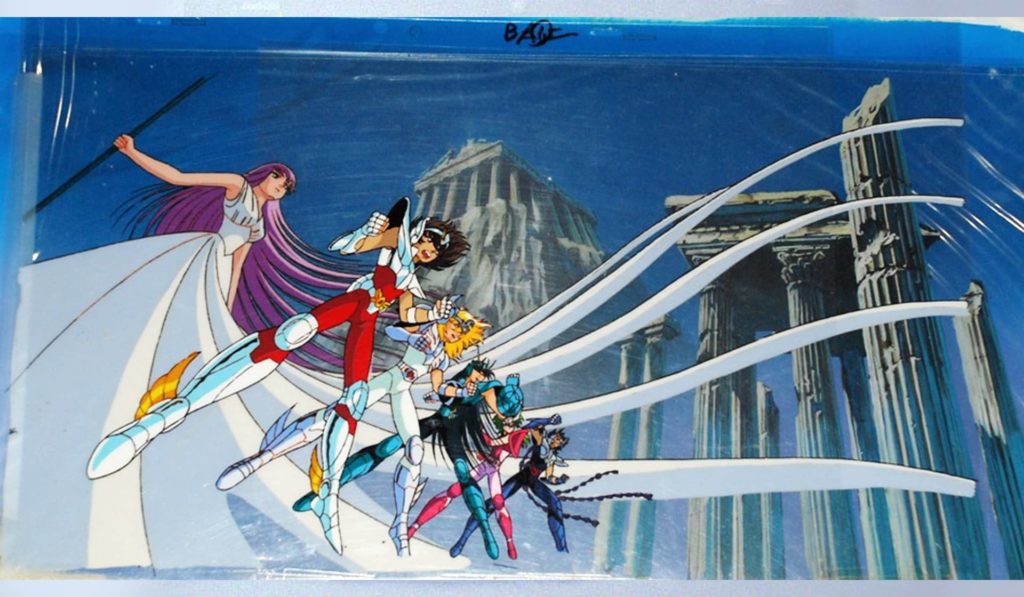
I remember it like it happened yesterday: the moment my very first cel arrived.
Just a thin sheet of transparent plastic, painted by hand… yet holding an entire universe inside it.
This is how I discovered what we call celluloids, or simply cels: the physical layers used in traditional animation. Artists painted characters frame by frame, stacked them over a static background, and photographed each shot. For decades, our favorite anime were born this way.
And one day, I learned that these fragments of memory could end up in the hands of collectors. The originals. The very ones that had been used to create the episodes I watched over and over as a child.
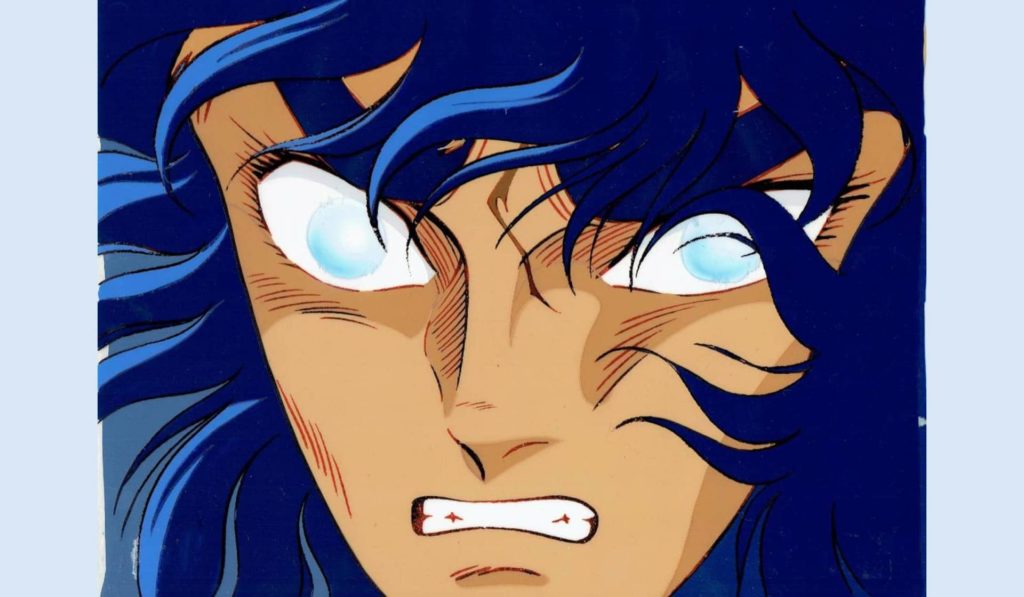
Discovering I could buy a Saint Seiya cel made my heart skip a beat. These knights had shaped my childhood—my sense of epic, of heroism, of wonder. And suddenly, this wasn’t just nostalgia anymore.
It was a physical piece of the anime itself, a piece that had traveled from a Japanese studio straight into my hands.
That’s when I understood something essential: you don’t just watch an anime ! You can own a fragment of its history.
My cel period: the first flames of the obsession
At the beginning, I bought everything I could find. Prices were still reasonable, and each new cel felt like stepping deeper into the backstage of my favorite shows.
Cels were magical: the colors, the connection to the screen, the feeling that I held the original shot or my favorite character from a legendary episode.
But slowly, frustration crept in. I started noticing how static they were. Lines often felt dull or clumsy.
The rendering didn’t always match my childhood memories. Sometimes, the photographs online looked better than the cel itself.
The magic sometimes vanished the moment the piece arrived.
At the same time, prices were exploding.
Speculation took over.
Collectors fought over the same characters.
Insane amounts of money were spent on pieces that, to me, had lost their soul.
And while this was happening, something else was quietly calling me.
The production drawings often sold alongside the cels.
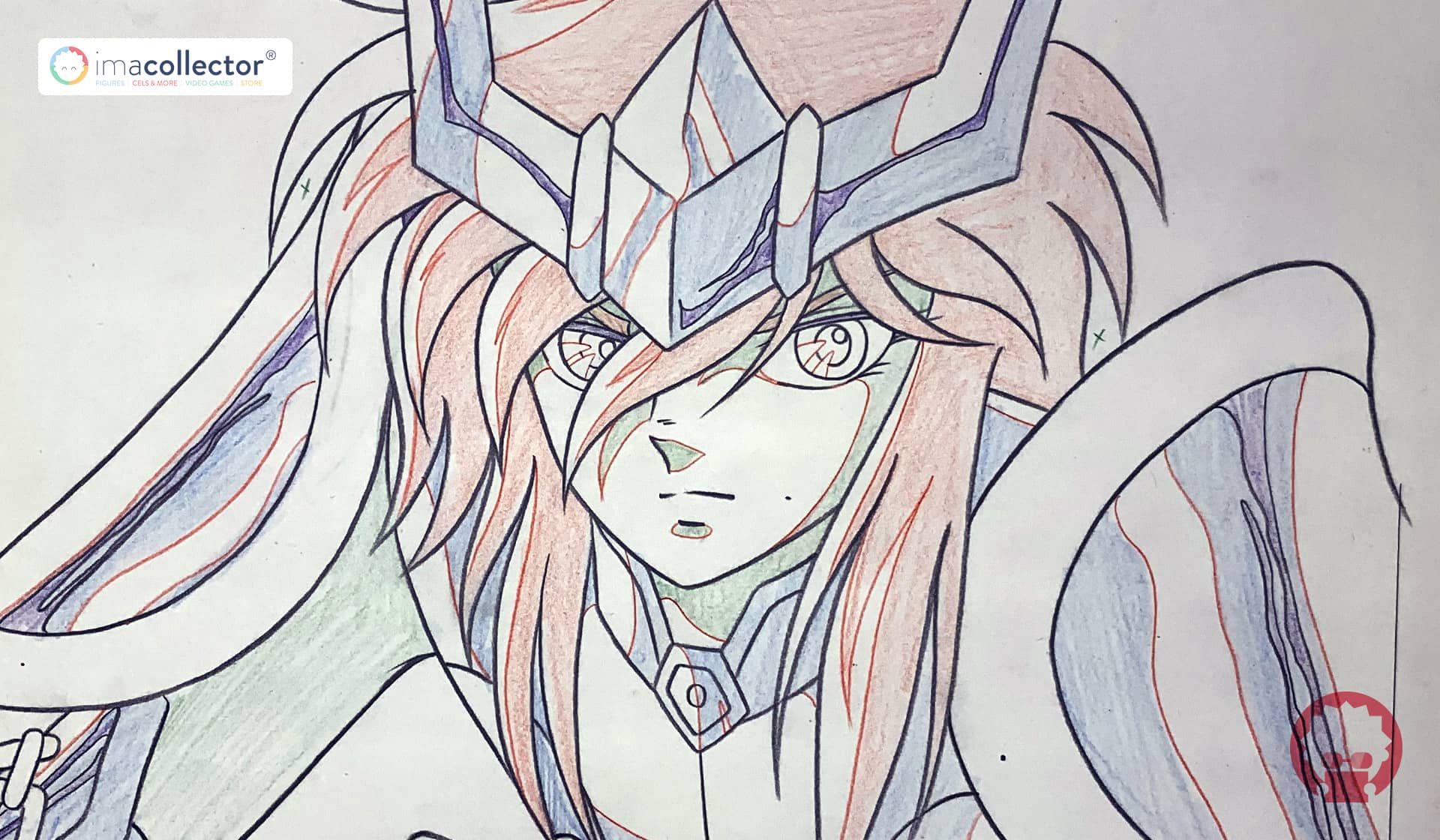
Light sheets of paper, covered in black pencil lines, with red or blue corrections.
And that’s when the real revelation happened.
The switch to dougas and gengas
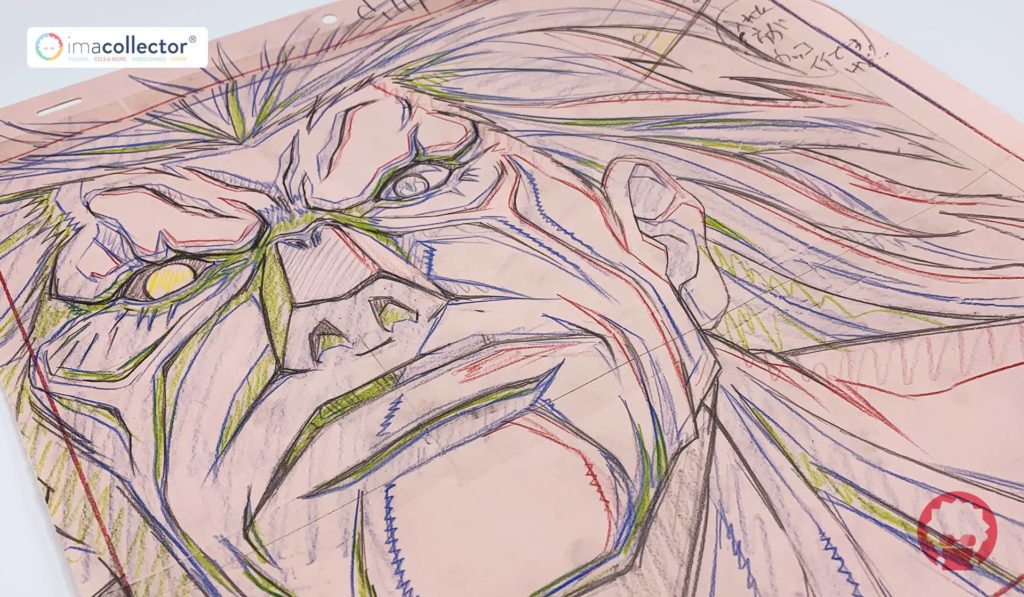
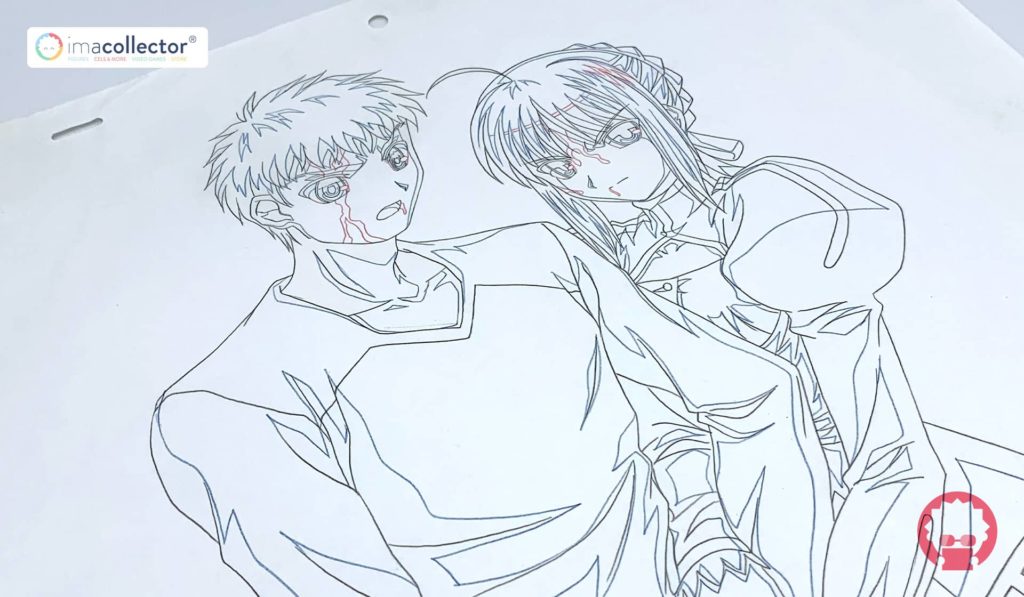
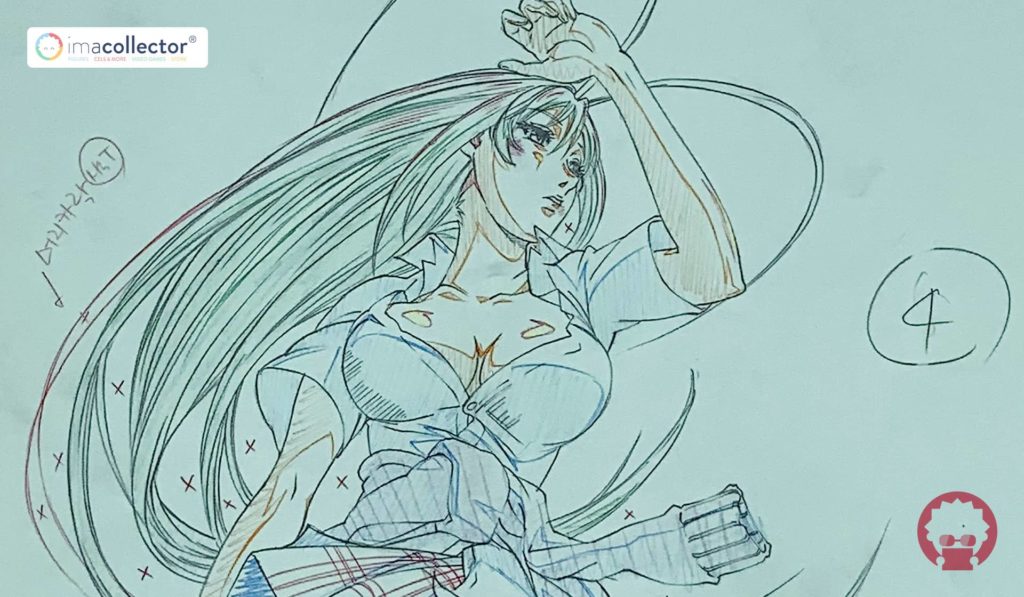
Dougas (cleaned-up key drawings) and gengas (rough key animations) had something raw, alive, almost sacred.
Where a cel felt frozen, these drawings still breathed.
Every pencil stroke felt inhabited.
The softness of a curve, the urgency of a correction, the timing notes scribbled in the margins…
All of it revealed the animator’s hand in motion.
Through these drawings, I felt closer to the animator themselves.
A cel was the final product;
a douga was the doorway to the creation process.
Little by little, my collection shifted completely.
The cels I once adored now felt stiff compared to the electricity of pencil work.
So I let the cels go… and devoted myself entirely to original drawings.
The heart of my passion: the line that gives life
Let’s be honest: there’s something incredible about a single pencil stroke.
It’s magic.
It pulls life from a blank sheet of paper.
I feel far more emotion in a bold, honest black line than in flat fields of color—because that line is the animator’s breath. It is the immediacy of the gesture, the vibration of the animator’s intent.
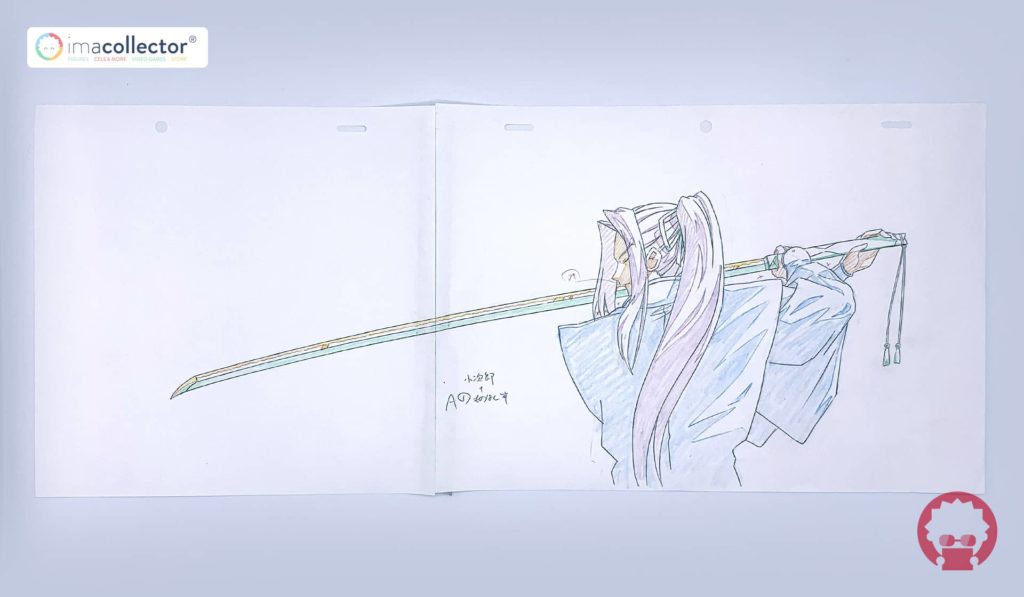
When I look at some of my Fate/stay night douga (the Deen version), or pieces from Shaman King or Tenjho Tenge, I almost feel as though the character is alive. The lines are not always perfect — sometimes they even tremble. Mais c’est précisément ce qui leur donne cette puissance.
A douga is human.
A fragment of life, passing from an animator’s fingers into my own years later.
My collector criteria: from impulse to precision
Over time, my eye matured.
I went from compulsively buying anything affordable to being selective and intentional.
Today, my choices follow three criteria:
- instant emotional impact: a scene, a pose, a movement that hits me before I even think.
- finesse of the line: the drawing must carry subtlety—elegance and strength in balance.
It must invite you to dive into it. - the series: s ome universes resonate deeply with me: Saint Seiya in my early days, but now Fate (Deen/Ufotable), Shaman King, and Tenjho Tenge.
These aren’t rigid rules.
They simply mirror what I seek: to be moved, to feel life through a fragment of paper.
The scars of a collector
I remember one purchase that haunted me for years: a Rider (Fate) drawing from the opening.
A rare, exquisite piece that fascinated me. Its price? Over €2,000.
I broke and bought it, convinced it was worth it—pushed by the adrenaline of bidding.
Only later did I discover the truth: the other bidder was someone I knew…
and they had inflated the auction intentionally, just to see how far “the person in front” would go.
The person in front was me.
That day, anger and quiet sadness hit me hard.
I wish I had simply messaged them and avoided spending so much.
This moment became a turning point in my collector life (and, honestly, in my relationship too).
It reminded me that passion often collides with the brutal reality of the market: speculation, manipulation, toxic behaviors.
Since then, I’ve become more cautious.
I try not to let myself get swept away by insane prices… even though I know some rare pieces will always make my heart race.
But I’ve learned something important: you can’t have everything.
And you shouldn’t try to.
From fan to curator: passing on a memory
As I kept accumulating pieces, something shifted in me. I no longer wanted to simply own these drawings. I wanted to share them.
That is why I started a blog, and later an Instagram account. I use them to showcase my pieces with carefully composed photographs, but also with context and explanations. Because behind every drawing there is a story, a process, a human hand.
My dream is simple: to one day organize an exhibition featuring my collection—especially around Fate and studios like Deen or Ufotable.
J’aimerais que les visiteurs puissent comprendre comment une série animée prend vie à travers ces dessins. Voir l’évolution au fil des ans. To feel the same emotion I feel when facing a simple pencil stroke.
That’s when I understood something important: I had gone from amazed fan to passionate curator.
I no longer want to keep this memory to myself.
I want to pass it on, to let it resonate in someone else’s heart.
Conclusion: my private manifesto
If I had to summarize why I collect, I would say this:
I collect because it touches my heart. Because each piece makes me feel a little more alive, as if a part of each universe belonged to me.
Original anime drawings aren’t objects.
They are fragments of memory, witnesses of creative gestures, tiny sparks of humanity hidden behind our favorite shows.
And every time I look at one, I remember why I chose this passion: because in every pencil stroke, there is a spark of life.
Article produced by imacollector® — an editorial archive dedicated to the memory and heritage of Japanese pop culture.
Content published for informational and documentary purposes. All rights reserved to the respective rights holders.