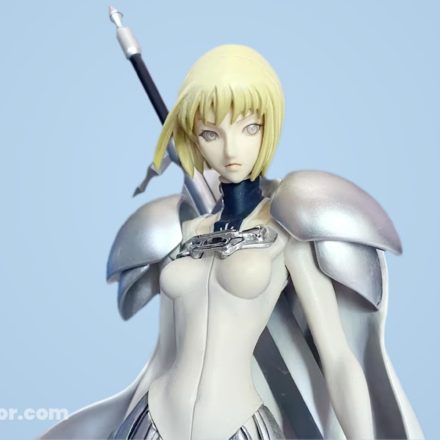


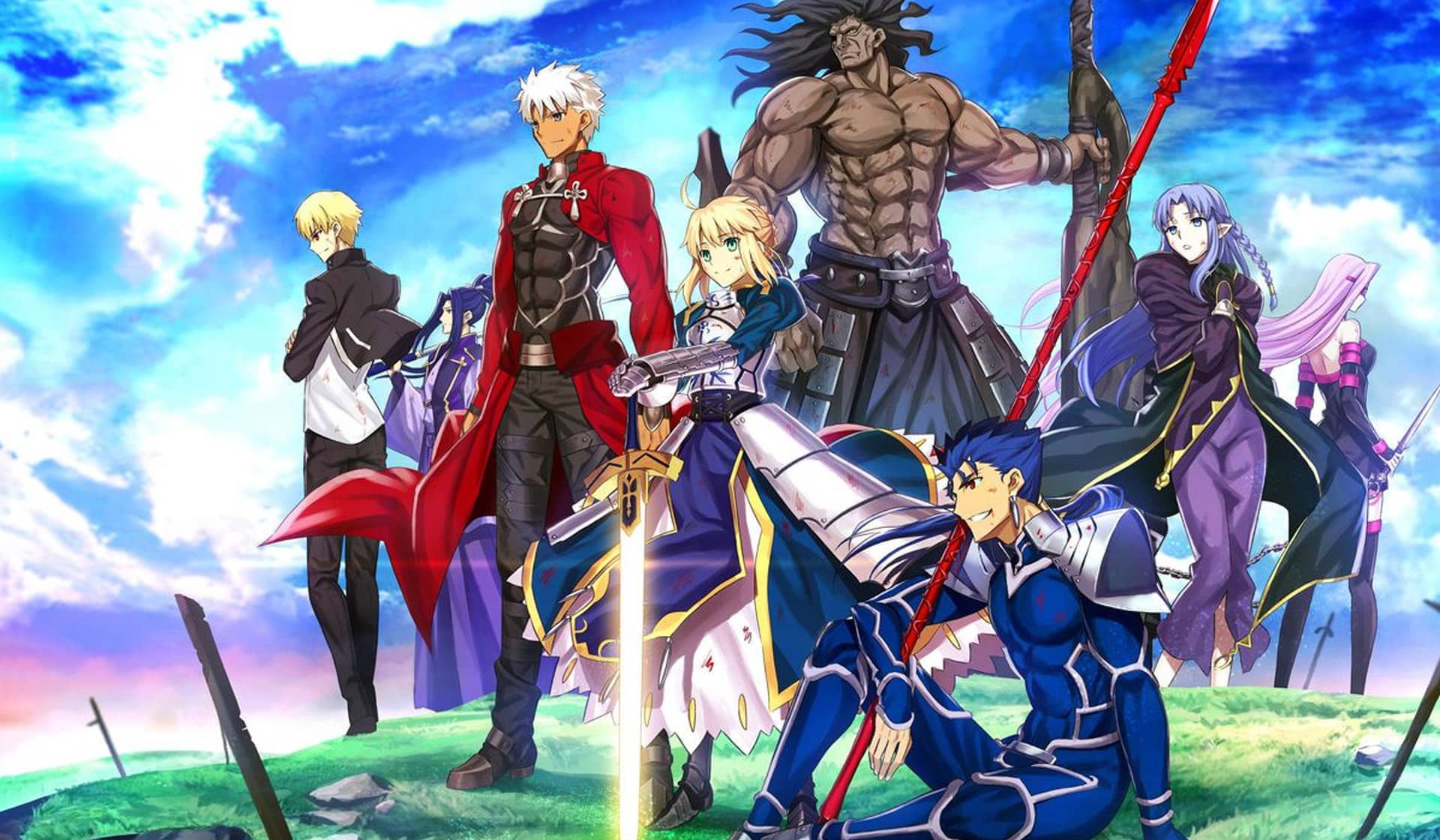

Fate/stay night and its prequel Fate/Zero are far more than cult anime from Ufotable and Type-Moon. Their narrative depth, their tortured characters, and the darkness of the Nasuverse make them a unique work—one where chivalry, tragedy, and melancholy intertwine.
In this article, I share why this universe became mine, through Rider, Shirou, Archer and Sakura—and how it quietly changed my life.
Sommaire
- Chains rather than swords
- 1. My roots: why I’ve always loved chained characters
- 2. My first encounter with Fate/stay night (Studio Deen)
- 3. Fate/Zero: the darker revelation of the Nasuverse
- 4. Characters as mirrors of myself
- Rider: beauty, melancholy, strength
- Shirou Emiya: idealism and its danger
- Archer: disillusioned realism
- Sakura Matou: silent suffering
- 5. Fate/stay night as a mirror of society
- Gilgamesh: the arrogance of the elite
- Kirei Kotomine: the moral void of our time
- Shirou Emiya: a forgotten chivalric ideal
- 6. Ufotable and the visual sublimation of Fate
- Conclusion: why Fate/stay night became my universe
Chains rather than swords
I’ve always preferred chains over swords. Because chains tell a story that is harsher, deeper, and strangely more honest. Looking back, it’s no coincidence that my favorite characters all fight with chains. Their chains are not prisons—they’re omens. Promises of melancholy and strength.
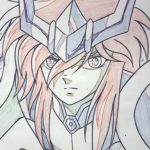
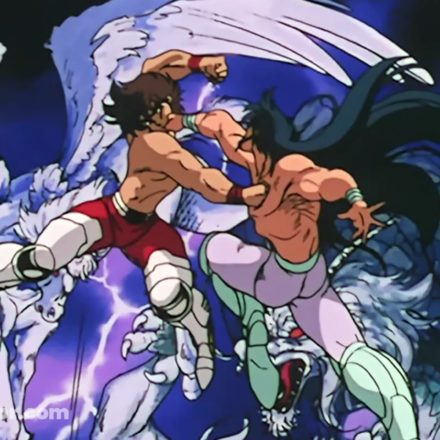
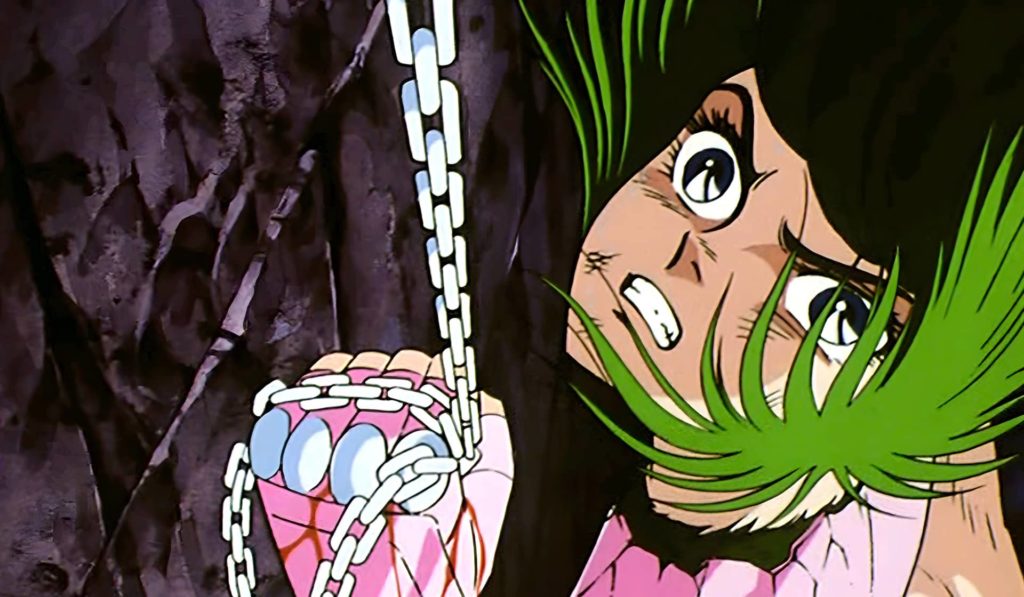
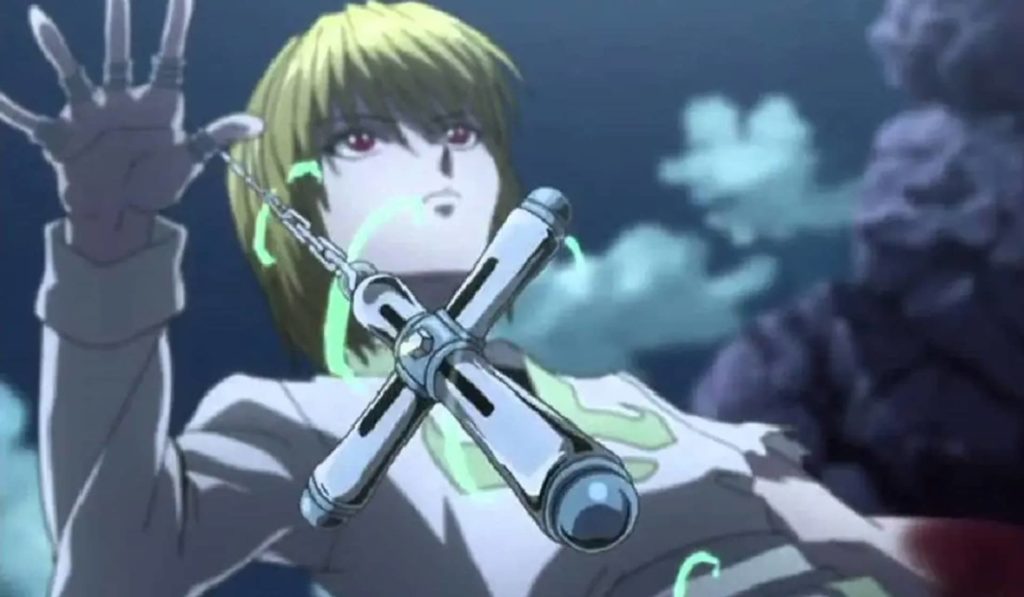
Shun from Saint Seiya refused to fight. Kurapika from Hunter x Hunter lived only for revenge. And as a child, I saw myself in that melancholy.
So when I discovered Rider in Fate/stay night, I immediately knew I had found my character—one who would stay with me for years.
1. My roots: why I’ve always loved chained characters
Why chains instead of swords?
The sword is direct: it cuts, imposes, dominates. Chains symbolize constraint, suffering, but also a paradoxical beauty. They embody a strength born from fragility.
Shun of Andromeda marked me with his gentleness in a violent world. Later, Kurapika reinforced this fascination: his chains are weapons forged from grief and vengeance.
That invisible thread naturally led me to Rider.
2. My first encounter with Fate/stay night (Studio Deen)
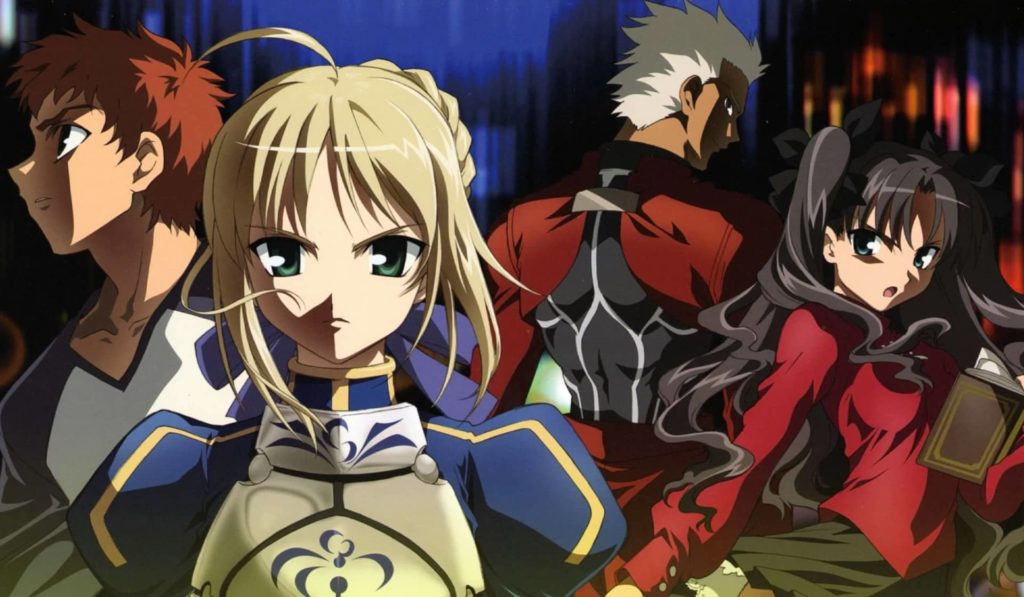
I entered the Type-Moon universe through the 2006 Studio Deen adaptation. Often criticized for its animation, it was still an essential gateway for me.
It introduced the core of the Nasuverse: the Holy Grail War, the Servants, Saber, and Shirou. A modern mythology blending tragedy, epic tension, and magic.
3. Fate/Zero: the darker revelation of the Nasuverse
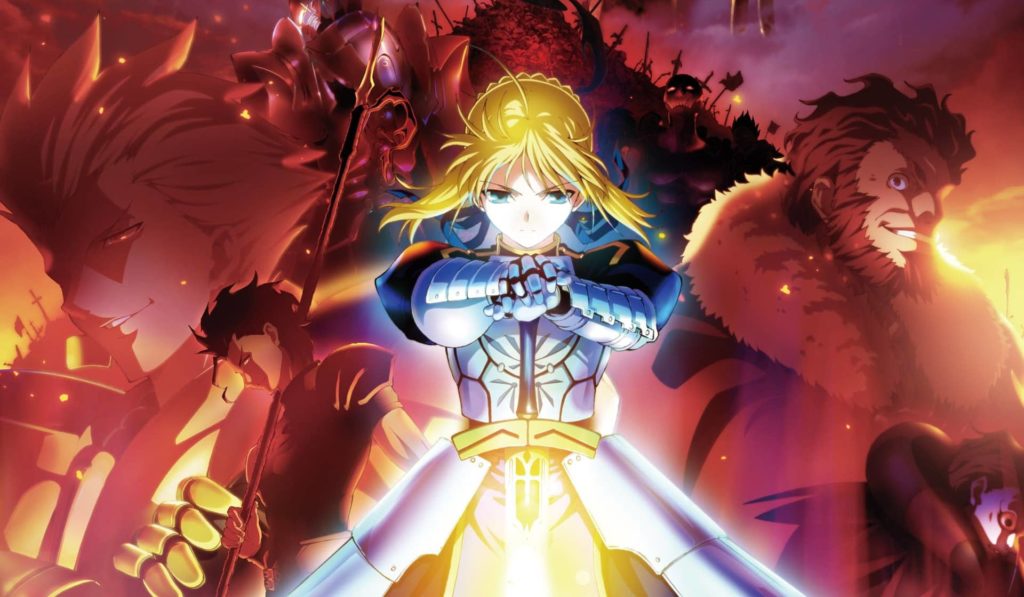
Fate/Zero (Ufotable) hit me like a shock. Gen Urobuchi turned the Grail War into a Shakespearean tragedy.
It was precisely there that I discovered characters who were more complex, more tormented, and more realistic.
- Kiritsugu, sacrificing everything for an impossible ideal
- Kirei, a nihilist seeking meaning in destruction
- Rider/Iskandar, radiant yet doomed
- Saber, torn apart by disillusionment
Everything breathed inevitability. Instead of discouraging me, this darkness pulled me in.
4. Characters as mirrors of myself
Chaque personnage de Fate/stay night résonne différemment en moi. Ce n’est pas seulement une galerie de héros, mais une mosaïque de contradictions humaines.
Rider: beauty, melancholy, strength
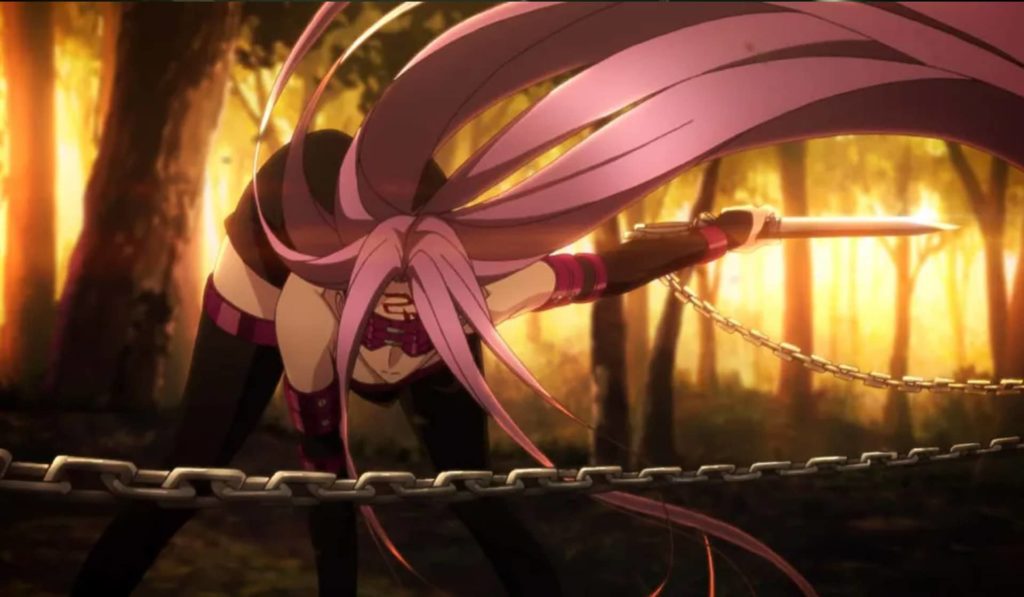
Rider (Medusa) isn’t the protagonist, yet she embodies everything I’ve always loved: elegance in pain, contained power, silent melancholy.
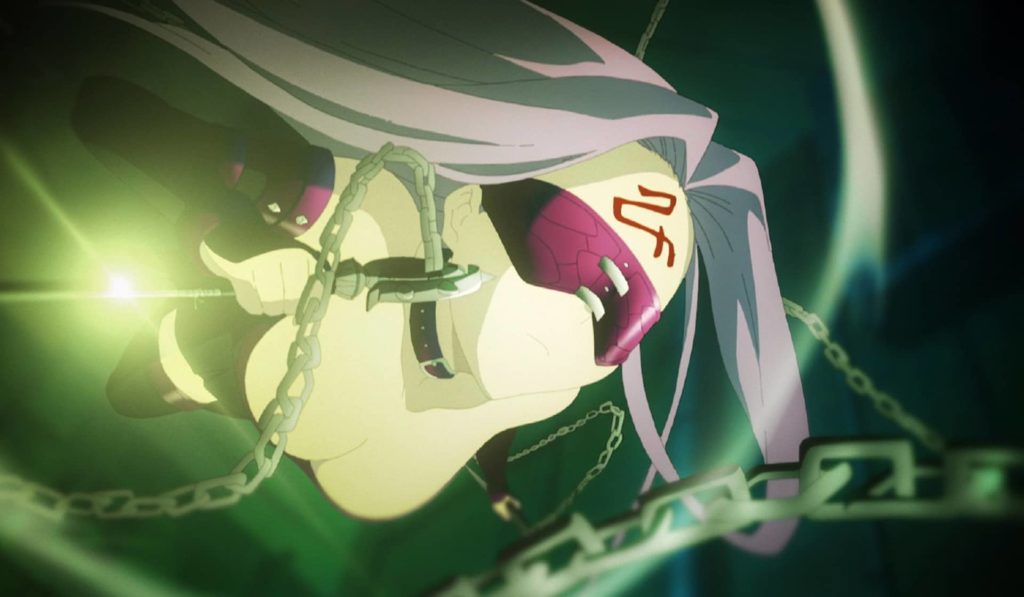
Her chains aren’t weapons—they’re an extension of her condition, a reminder that strength can be born from confinement.
Her chains aren’t weapons—they’re an extension of her condition, a reminder that strength can be born from confinement.
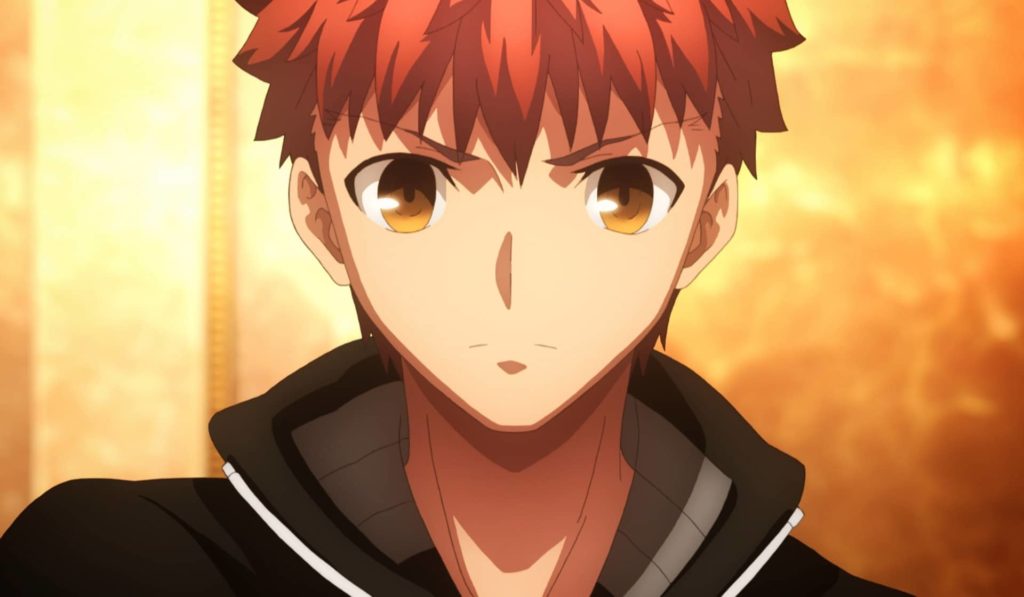
Shirou Emiya: idealism and its danger
Shirou is the eternal idealist. Always ready to sacrifice himself.
Admirable, yes … but dangerously self-erasing.
His question goes beyond fiction: can you exist only through others? Heaven’s Feel pushes this dilemma to its limit.
Il est admiré pour sa loyauté, mais on tremble aussi devant cette volonté d’anéantir son propre “moi”, quitte à complètement s’oublier.

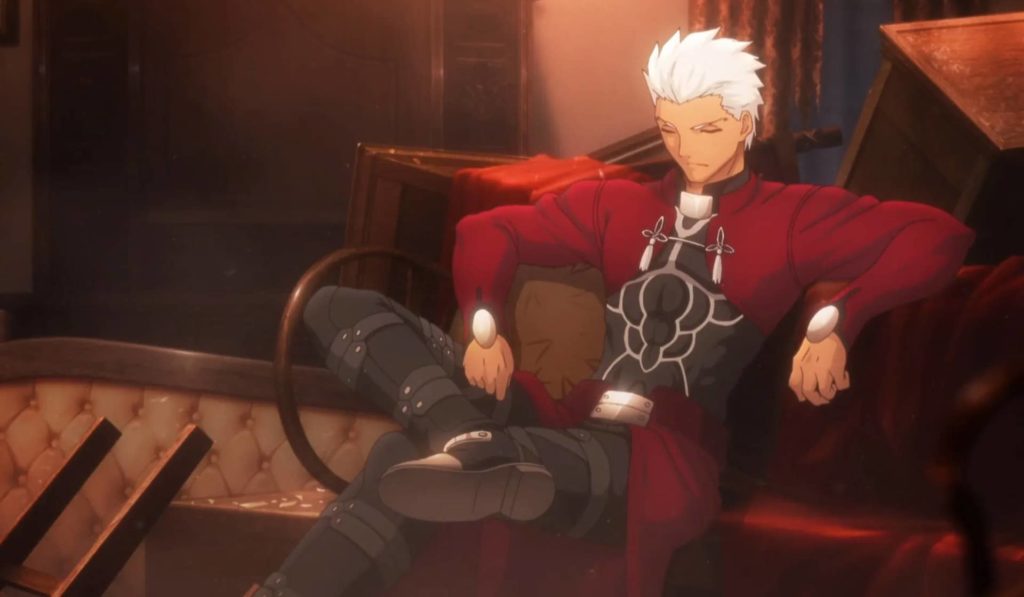
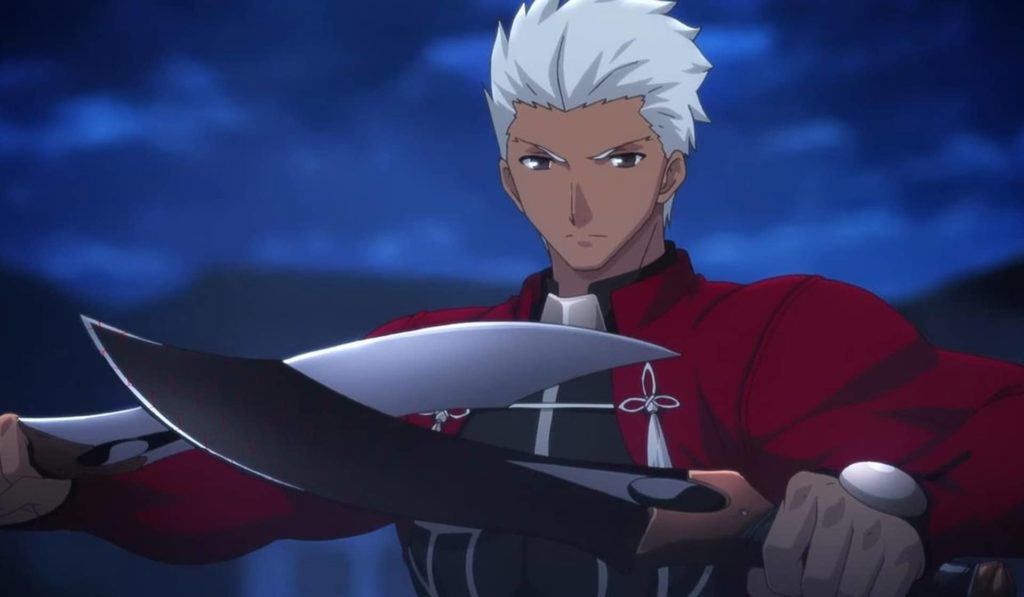
Archer: disillusioned realism
To me, Archer is the most disturbing mirror. He is Shirou but after disillusionment.
He followed his ideal to the very end, only to realize that he had saved nothing. Shirou no longer believes in the purity of ideals. He has detached himself, becoming almost cynical.
He pursued his ideal until he understood its futility.
Cynical, detached, yet still acting.
Sakura Matou: silent suffering
Sakura embodies a raw, fragile humanity.
Her relationship with Rin, between resentment and love, is one of the most moving parts of the Fate universe.
Between resentment and love lies the impossibility of fully mending what has been broken. Yet it is precisely within that imperfection that its truth resides.
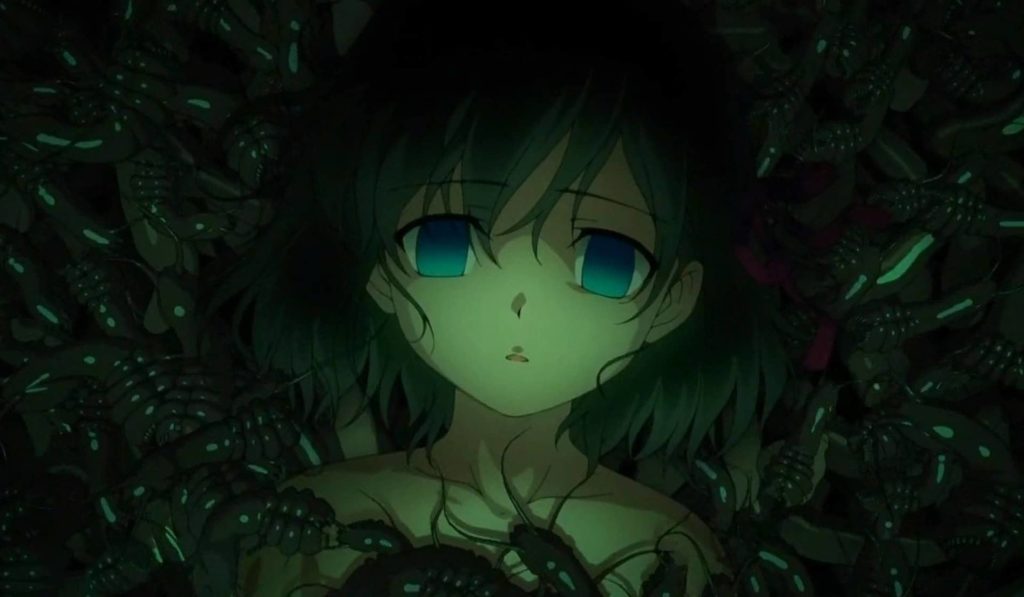
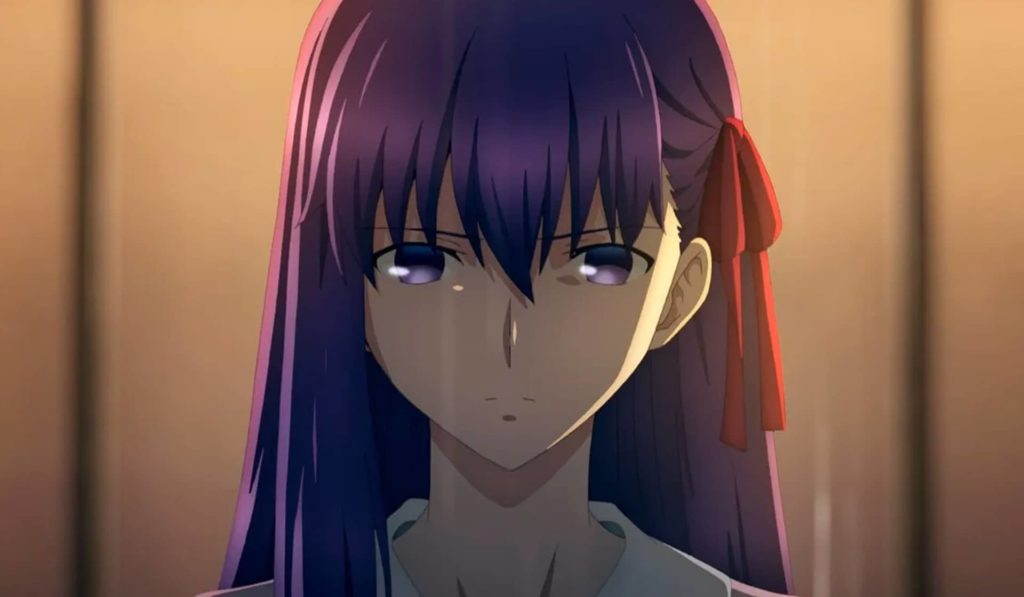
These characters aren’t just heroes: they are mirrors. Rider is my fascination, Shirou is my fear, Archer is my reflection and Sakura is my empathy.
5. Fate/stay night as a mirror of society
The Grail War is more than a narrative device: it is a metaphor.
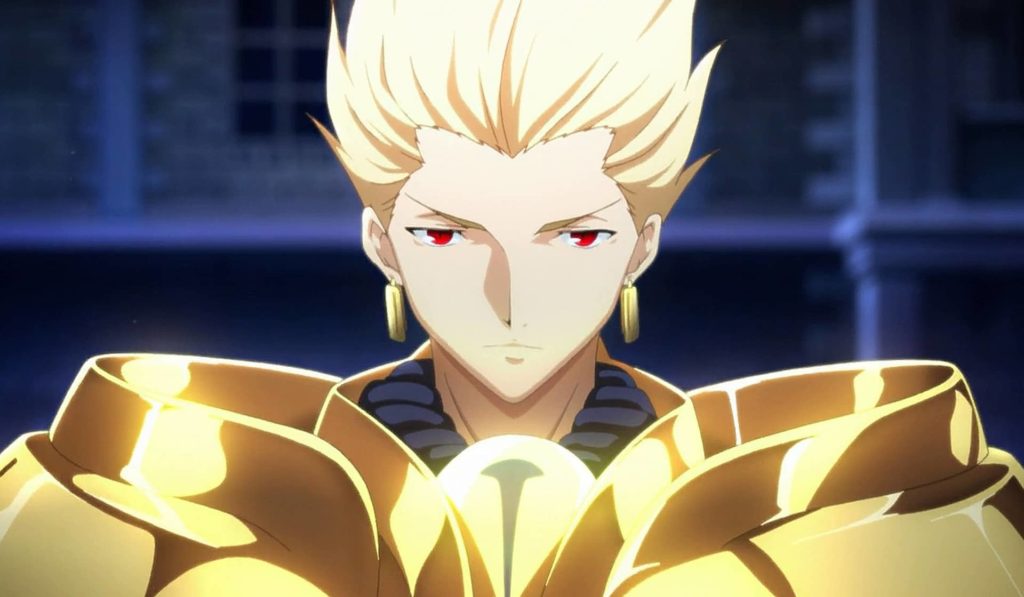
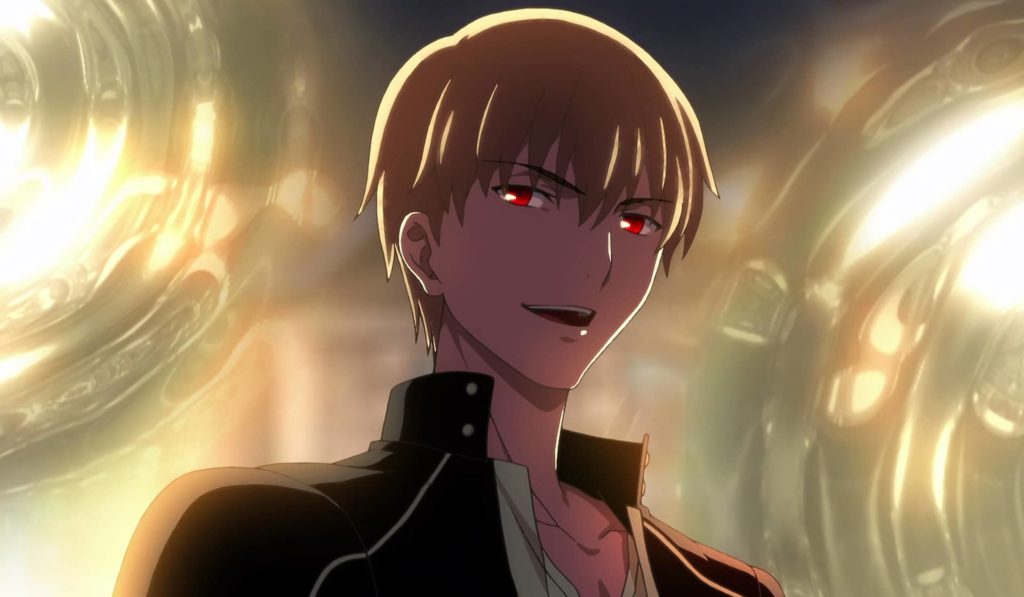
Gilgamesh: the arrogance of the elite
This unpleasant character embodies absolute elitism: the belief that everything is owed to him simply because he sees himself as above everyone else.
In a society obsessed with power and achievement, Gilgamesh is a chilling reflection of this arrogance.
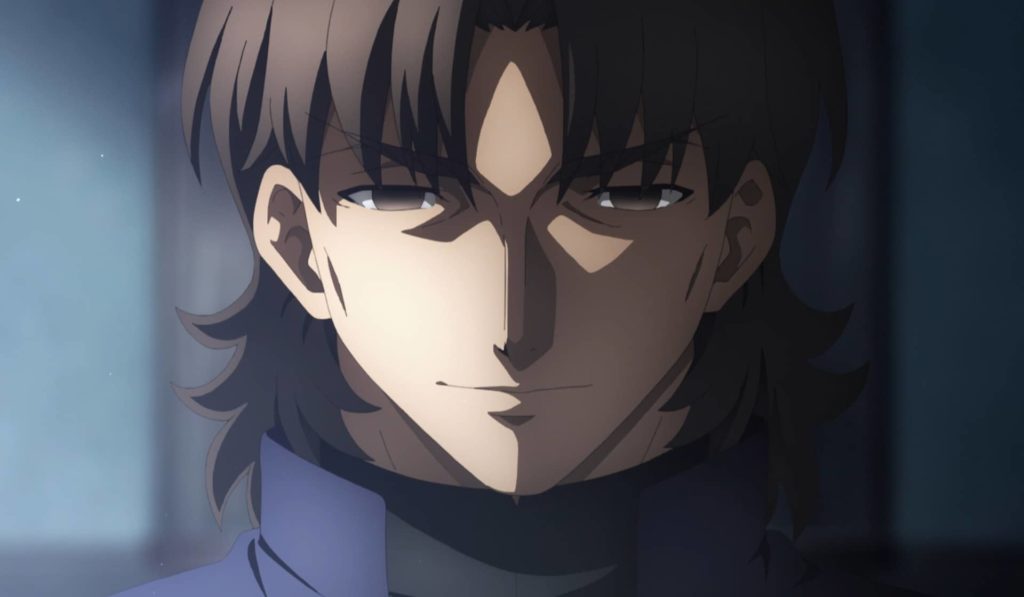
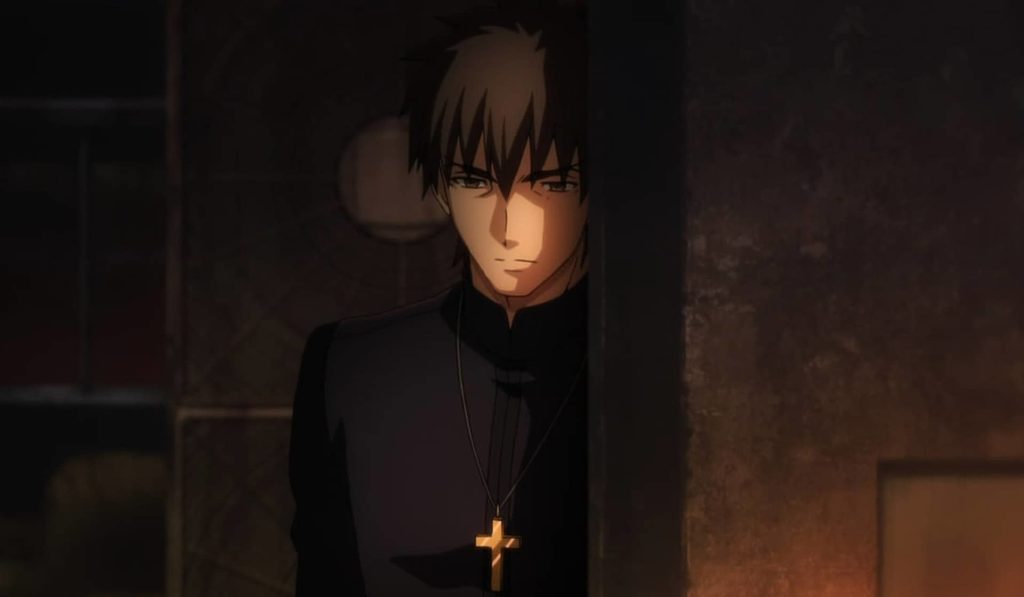
Kirei Kotomine: the moral void of our time
Kirei may be the most frightening character. Not because he is cruel, but because he is empty, truly empty. In doing so, he searches for meaning in his life, yet finds it only through destruction.
For me, he represents the essence of modern nihilism, where the absence of values becomes a value in itself.
Shirou Emiya: a forgotten chivalric ideal
Shirou, on the other hand, embodies a form of chivalric idealism that feels anachronistic in today’s world.
Sacrificing oneself for others, serving a purpose greater than one’s own…
Yet this is no longer self-evident today, and that is precisely what makes his character so disturbing.
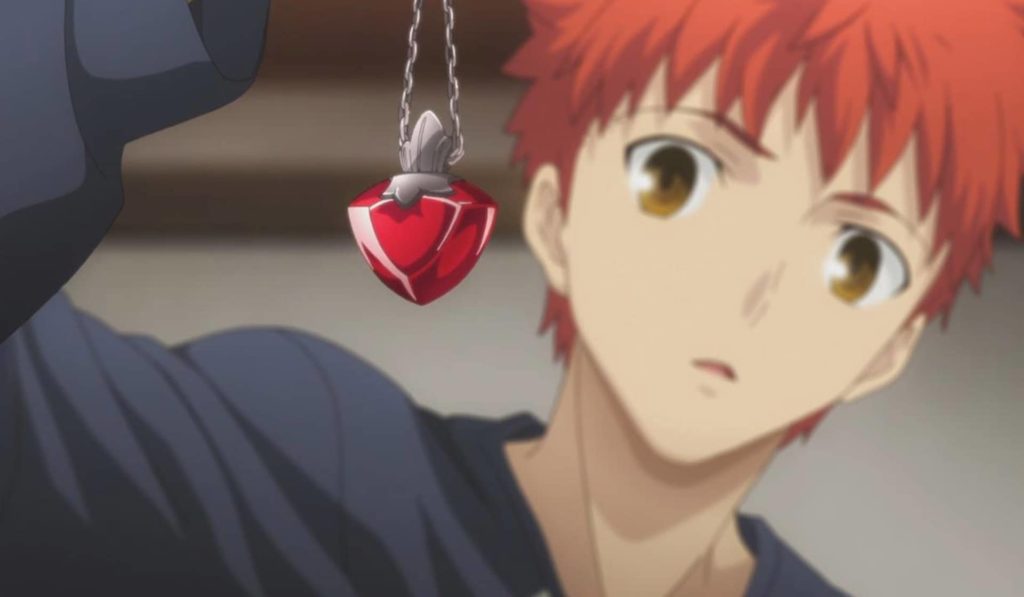
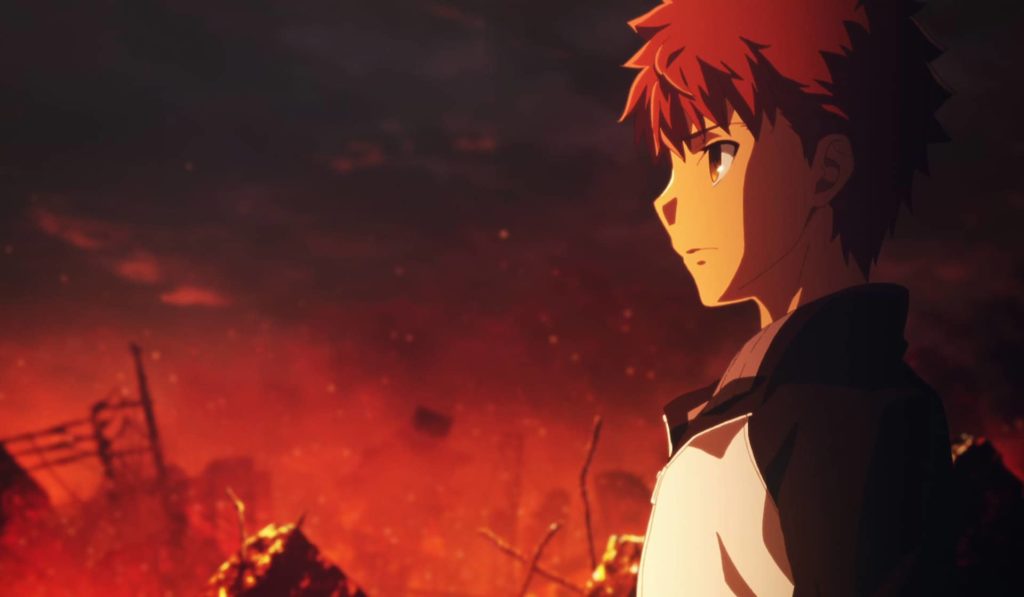
As a result, this universe is far more than a fantasy narrative. It is a mirror of our contemporary contradictions caught between cynicism, illusions of grandeur, and a desperate search for meaning.
6. Ufotable and the visual sublimation of Fate
If Studio Deen opened the door, Ufotable made me stay.
Their animation, colors, and direction gave Fate the majesty it deserved.
But beyond the technical brilliance, what impressed me is the coherence: Fate doesn’t just borrow from Greek, Persian or Arthurian myths—it reshapes them through deeply human dilemmas.
Thus, it is this blend of mythological grandeur and intimate fragility that makes Fate/stay night a truly unique work.
Conclusion: why Fate/stay night became my universe
From Shun to Kurapika, then to Rider, I’ve always followed the same invisible thread: a fascination for characters who are chained, broken, yet filled with melancholic strength.
Fate/stay night and Fate/Zero aren’t just stories of magic and holy wars. They are mirrors of our ideals and our wounds.
And that is why, after all these years, this universe is still mine and why it continues to resonate, because the more I explore it, the more I learn.