

Beginner’s guide: how to start an anime figure collection without breaking the bank

We have all experienced that moment: seeing a figurine of your favorite character in a shop window or on Instagram and thinking, “One day, this one will be mine.”
Sommaire
- 1. Defining your goal as a collector
- 2. Understanding figure lines
- 2.1. Prize figures (Banpresto, SEGA, FuRyu…)
- Size
- Price
- Quality
- Distribution
- 2.2. Scale figures (Good Smile Company, Kotobukiya, Alter)
- Price
- Quality
- Distribution
- 2.3. Nendoroid (Good Smile Company)
- Price
- Quality
- Distribution
- 2.4. Figma (Max Factory)
- Price
- Quality
- Distribution
- 2.5. Garage kits et résines
- Price
- Quality
- Distribution
- Where to buy safely
- 4. Setting a budget and sticking to it
- 5. Maintaining and displaying your collection
- 6. Mistakes to absolutely avoid
- Conclusion
But when you discover price differences, limited editions, and the jungle of counterfeits, enthusiasm can quickly turn into discouragement.
Good news: I’m going to show you that it is absolutely possible to start an anime figure collection without breaking the bank.
The key is knowing where to start, which figure lines to focus on, and where to buy safely.
Here is a complete guide to getting started.
I’ll explain everything!
1. Defining your goal as a collector
Before taking out your credit card, it’s essential to understand why you want to collect.
Several approaches are possible:
- the pleasure collection: a few figures of your favorite characters, displayed on a shelf.
In this case, emotion matters more than rarity. - the thematic collection: focusing on a specific universe or series (for example One Piece, Dragon Ball, or Attack on Titan), a specific line (such as Nendoroids or Figma), or even a single character (only Saber from Fate/stay night, for example).
- the investment collection: targeting rare and limited pieces, often expensive at purchase but likely to increase in value. This is pure speculation, and personally, it’s the type of collection (or goal) I dislike the most.
That said, defining your approach is essential. It helps you avoid impulsive accumulation and keep control of your budget — something I personally struggled with a lot in the beginning.
2. Understanding figure lines
It’s important to know that not all figures are created equal.
And not all of them target the same budget.
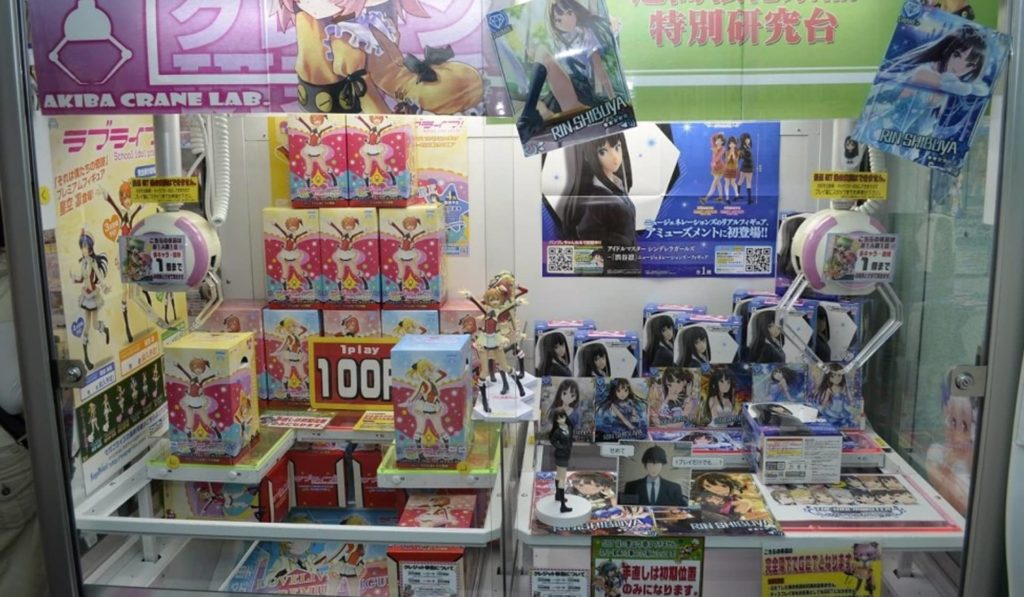
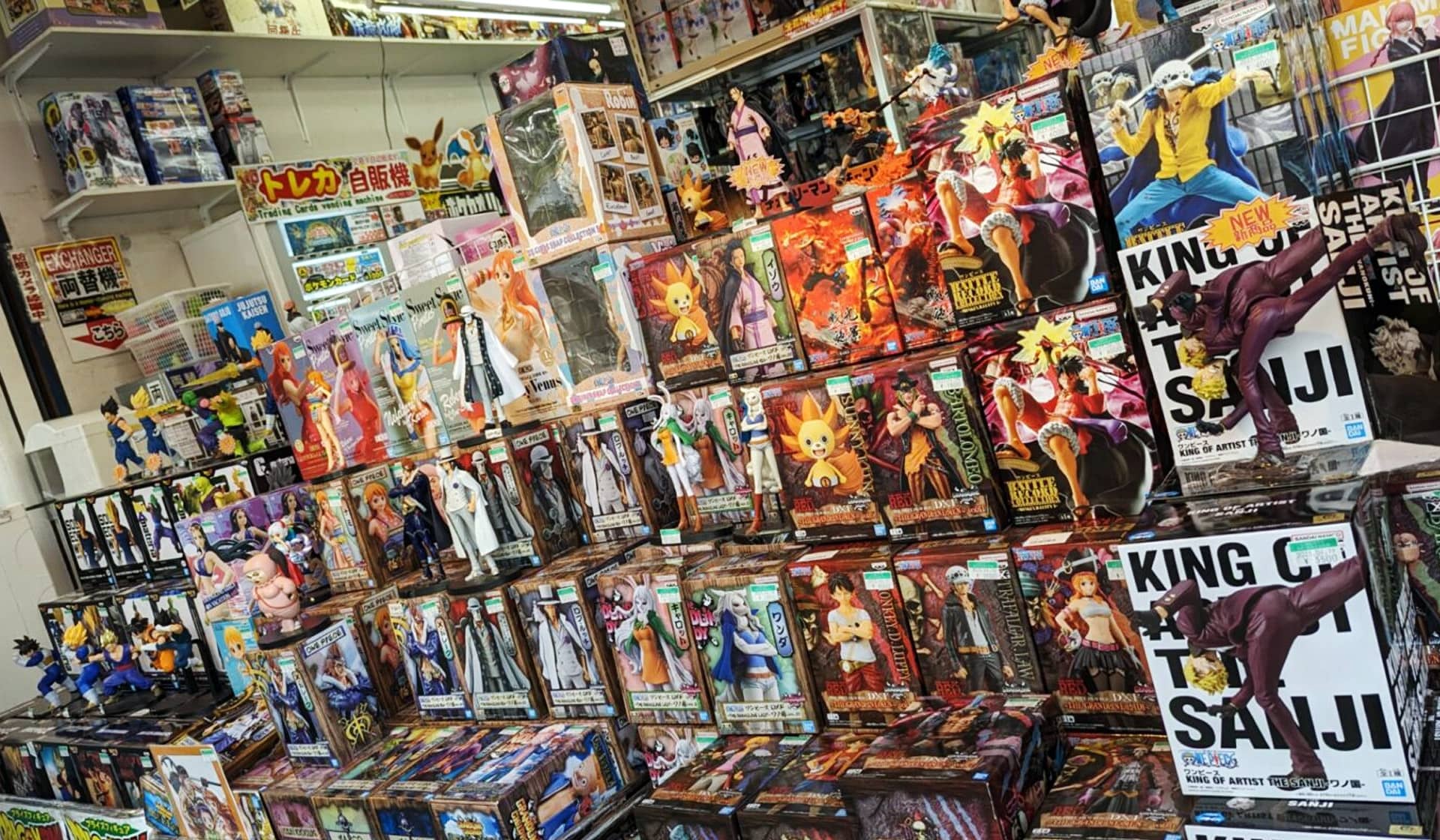
2.1. Prize figures (Banpresto, SEGA, FuRyu…)
Size
Usually between 15 and 25 cm.
Price
Affordable, often between €20 and €40.
Quality
From decent to very good, with occasional pleasant surprises in paintwork and poses.
Distribution
Originally exclusive to UFO catchers (Japanese claw machines).
They are not sold directly in stores in Japan, but are later resold by specialized shops and importers.
Prize figures are ideal for starting a collection without spending too much, as they offer a good balance between accessibility and collector enjoyment.
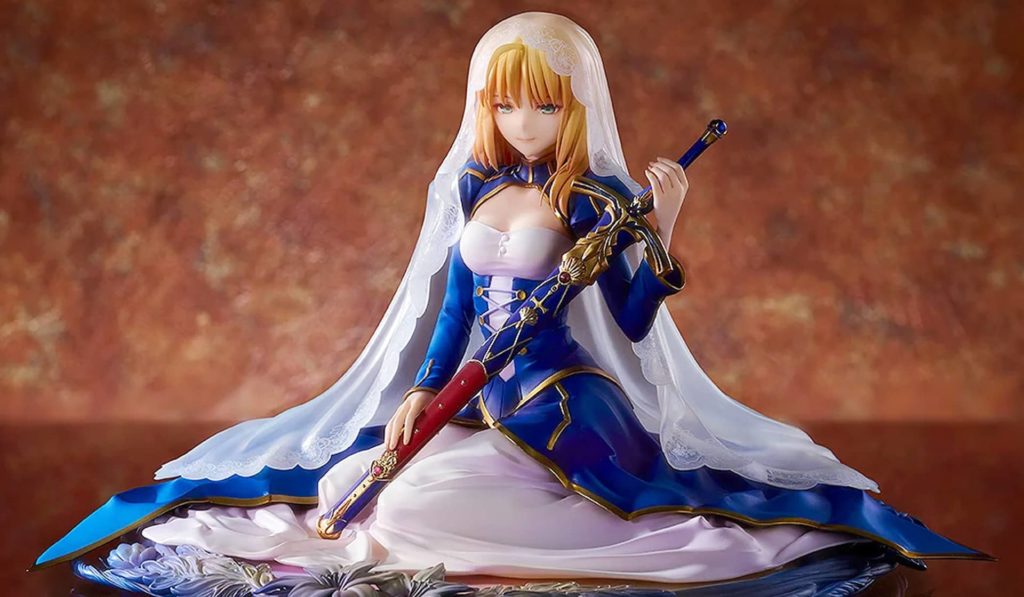
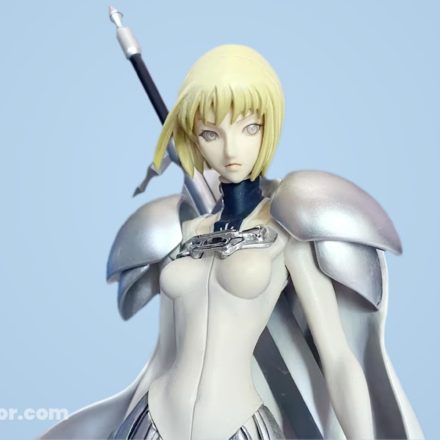
2.2. Scale figures (Good Smile Company, Kotobukiya, Alter)
Size
Usually between 20 and 30 cm, depending on the scale (1/8, 1/7, 1/6, or 1/4 for the largest).
Price
Most often between €120 and €200, sometimes €300 or more for limited editions.
Quality
A very high level of detail (paintwork, textures, elaborate bases, special effects).
Distribution
Mostly sold through pre-orders (often 6 to 12 months of waiting). Limited availability, with higher prices on the secondary market.
Scale Figures are considered the premium pieces of a collection and often become the centerpiece of a display case.

2.3. Nendoroid (Good Smile Company)
Size
Around 10 cm. Some models can be larger, especially due to accessories.
Price
Generally around €60, slightly more for special or highly sought-after editions.
Quality
Extremely well-crafted: chibi / cute design with clean paintwork and finely detailed accessories.
Distribution
Sold directly by Good Smile Company and its official retailers, often via pre-orders with occasional re-releases.
They can also be found at auctions.
Fun and highly customizable thanks to interchangeable faces and accessories, Nendoroids are perfect for collectors who enjoy staging their figures in a humorous or decorative way.
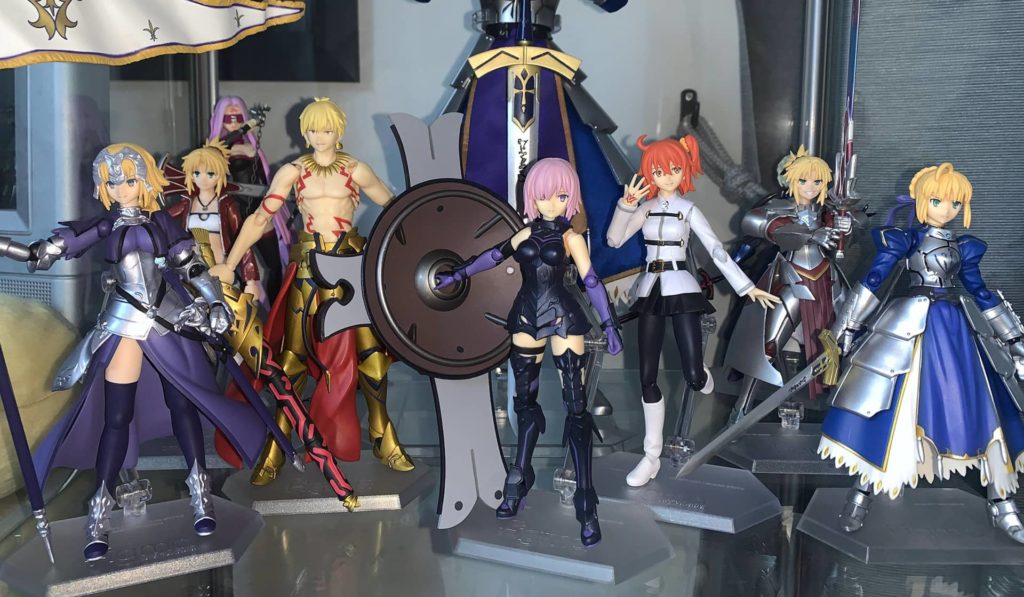
2.4. Figma (Max Factory)
Size
Around 13 to 15 cm on average.
Price
Between €50 and €120, sometimes more for specific releases.
Quality
Excellent articulation allowing many dynamic poses, with very precise finishes.
Distribution
Mainly through pre-orders and official retailers. Some models quickly become hard to find.
Perfect for recreating action scenes or varied situations. Very popular among collectors who practice figure photography.
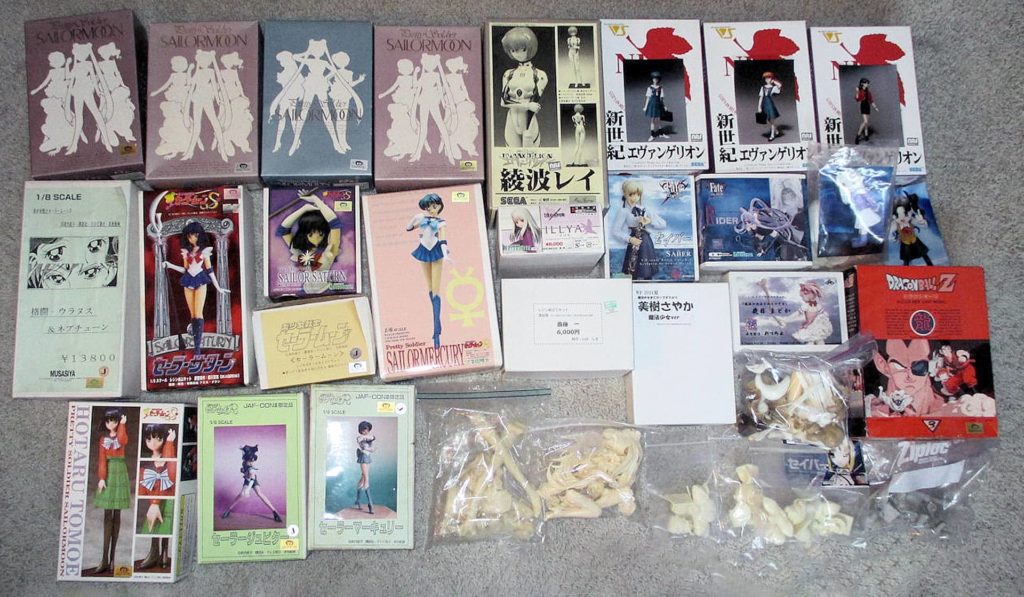
2.5. Garage kits et résines
Size
Variable: from very small pieces (just a few centimeters) to imposing statues (40 cm or more).
Price
Garage kits are sold unassembled and unpainted, while finished resin statues are ready to display.
Quality
Most of the time exceptional. Often handcrafted, with an unmatched level of detail.
Distribution
Produced in very limited quantities, often sold at events such as Wonder Festival in Japan. Some pieces are individually numbered.
For me, this represents the pinnacle of collecting, reserved for passionate and experienced collectors.
Each piece is a true work of art.
Knowing these different figure lines will help you adapt your choices to your budget and your expectations.
Where to buy safely
The internet is full of great deals… and bad surprises.
Here are the most reliable options:
- Japanese specialized websites: AmiAmi, Solaris Japan, Ninoma, 1999.co.jp
- Verified second-hand sources: Mandarake (Tokyo and online), conventions, or specialized forums
- Reliable European shops: I won’t list any, as I personally never buy in Europe
Beware of counterfeits
Red flags to keep in mind:
- a price that seems too good to be true (for example, a scale figure at €25)
- a box without official logos or with spelling mistakes
- unverified sellers (on eBay, AliExpress, or Wish): 99% are fake
One golden rule: always check other collectors’ reviews before ordering.
4. Setting a budget and sticking to it
The temptation to buy everything at once is strong. But a successful collection is built over time.
- set a monthly limit: for example, €30 to €40 per month — the price of a prize figure
- always prioritize quality over quantity: one beautiful scale figure is better than ten fakes
- anticipate hidden costs: shipping, VAT, and customs fees (especially from Japan and the United States)
A clear budget prevents regret and allows you to truly enjoy each new acquisition. It took me a long time to understand this. If you can avoid the same mistakes I made, you’re already off to a great start.
5. Maintaining and displaying your collection
Owning figures is great. Keeping them in good condition is even better.
- Protection: avoid direct sunlight, which can yellow plastic
- Dust: clean regularly with a soft brush or microfiber cloth
- Display: display cases, acrylic boxes, or wall shelves — be careful with sunlight and proximity to people (and children…)
- Staging: bases, dioramas, or grouping by universe to bring the collection to life
A good presentation transforms a series of objects into true works of art, giving you visual pleasure and motivating you to continue collecting.
6. Mistakes to absolutely avoid
- Falling for counterfeits: they quickly lose their appeal and have no collector value
- Buying too much at the beginning: it’s better to progress slowly and enjoy each piece
- Ignoring available space: a collection quickly takes up space… and dust
- Forgetting pre-order timelines: some figures must be reserved a year in advance
Conclusion
Starting an anime figure collection doesn’t require being rich — it requires being smart.
By defining your goal, choosing the right figure lines, and buying from reliable sources, you can build a collection that makes sense and truly reflects who you are.
What matters most is not having the biggest collection, but making sure each figure tells a story, a memory, or an emotion.
So, are you ready to get started?