

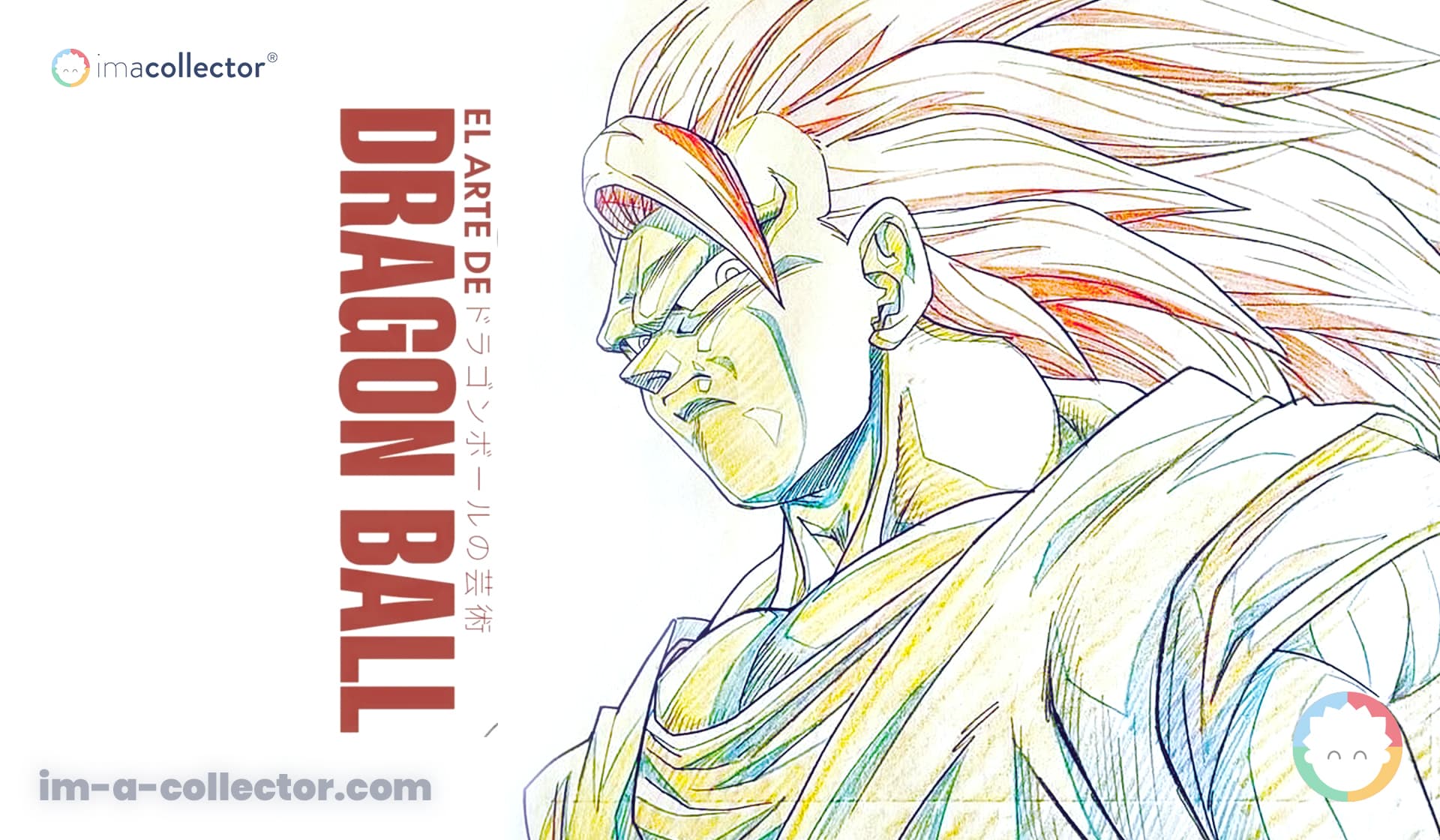

A simple refusal would not have bothered me in the slightest. The two “fuck offs” did. That is how my exchange ended with one of the people involved in creating a book about the history of Dragon Ball. No one had ever spoken to me like that since I launched imacollector®. It is strange to see a community built around preservation and transmission sometimes end up deciding who it considers legitimate enough to do either. A look at a very small world that occasionally seems to think it is much bigger than it really is.
Table of contents
- How closed circles hurt Anime Art collecting
- “I’ve never seen you in the research circles”
- Why experience alone does not make you an animation expert
- Anime Art collecting: why rarity does not equal value
- Animators are not another kind of trophy
- You can close a door without slamming it in someone’s face
An Instagram Story catches my eye. Then another one. A three-part book about the world of Dragon Ball, focusing on both the artwork and the animators behind it. Given how much I am developing imacollector® around animators and production drawings, it was exactly the kind of project that appealed to me. So I naturally offered to cover it. I also made the mistake, apparently, of asking for a copy.
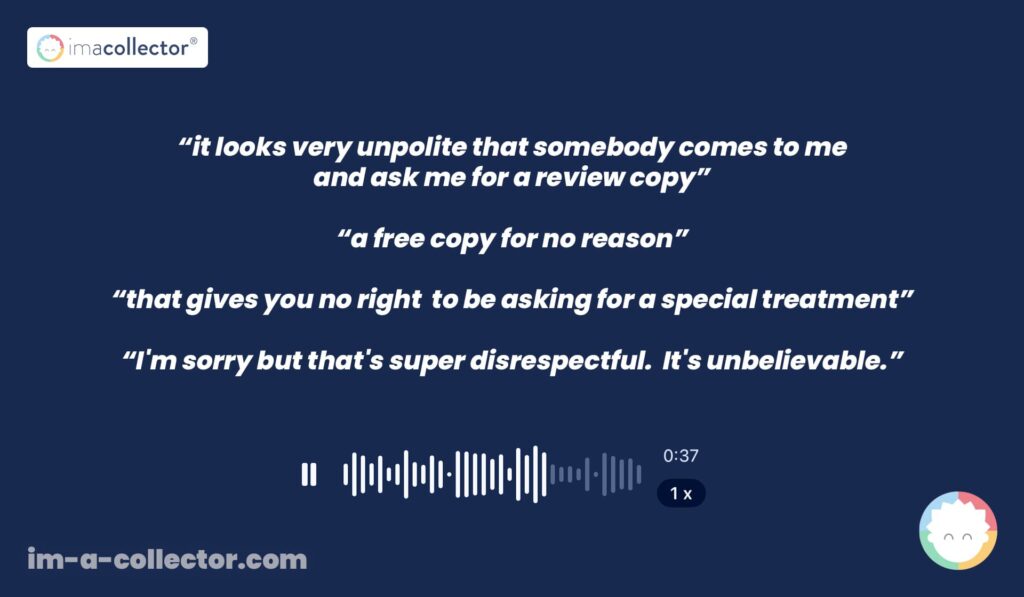
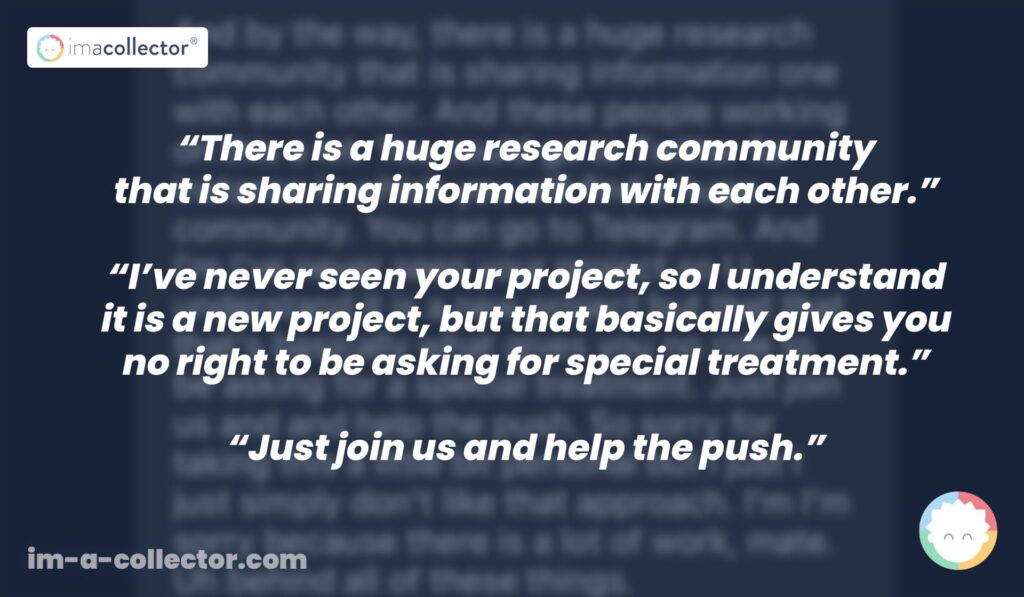
He had never heard of my project. I, meanwhile, had never heard of this “huge research community”. Neither fact proved anything one way or the other.
What surprised me was that he apparently had not even taken the time to look at what I was doing before telling me he had “never seen me in the research circles”. The conversation could have ended there. A few voice messages later, however, it ended with two “fuck offs”.
I will be honest: my first reaction was far less measured than this article is going to be. I almost replied without thinking. Then I started wondering why the exchange had made me so angry. By that point, the book itself had very little to do with it. What bothered me was recognising an attitude I have encountered far too often over the years: the way some small enthusiast communities eventually start acting as though their years in the hobby, their contacts and their collections have earned them the right to decide who can enter that world, talk about it or simply take part in it.
How closed circles hurt Anime Art collecting
I have been collecting animation drawings long enough to know that this world does not always resemble the romantic image I had of it when I started. When I first began buying cels, followed by dōga and genga, I mainly saw extraordinary objects that had genuinely been used to create the series I loved. The prices of some pieces quickly brought me back down to earth. Over time, though, it was the people surrounding these objects who surprised me most.
I will not pretend otherwise: many people in this hobby have taught me an enormous amount. Some collectors share what they know without first wondering what they will get in return. They take the time to identify a sequence, explain a note on a drawing or correct an error that went unnoticed. At times, I have received more help from a stranger I met on a forum than from people I had been speaking with for years.
Then there is the other side of the hobby. The one where seniority sometimes becomes a status symbol, and where knowing an artist, a “whale seller” or a “GOAT collector” seems to matter more than anything else. Some collections almost become calling cards, and people start being judged differently according to the pieces they own or the people they are connected to. Personally, I find it exhausting.
This is a tiny hobby. Even if we combine collectors of cels, dōga, genga, storyboards, scripts and other production materials, we are still only a small group compared with Pokémon collectors or Japanese pop culture collecting as a whole. Yet that apparently does not stop some people from quickly recreating the same social codes found in any other closed circle.
- Who are you?
- How long have you been collecting?
- Who do you know?
I have never liked that kind of dynamic. Even less so when those questions come before anyone has taken the time to look at what the person actually does.Je n’ai jamais apprécié ce genre de fonctionnement. Encore moins lorsque la question arrive avant même qu’on ait pris le temps de regarder ce que fait la personne.
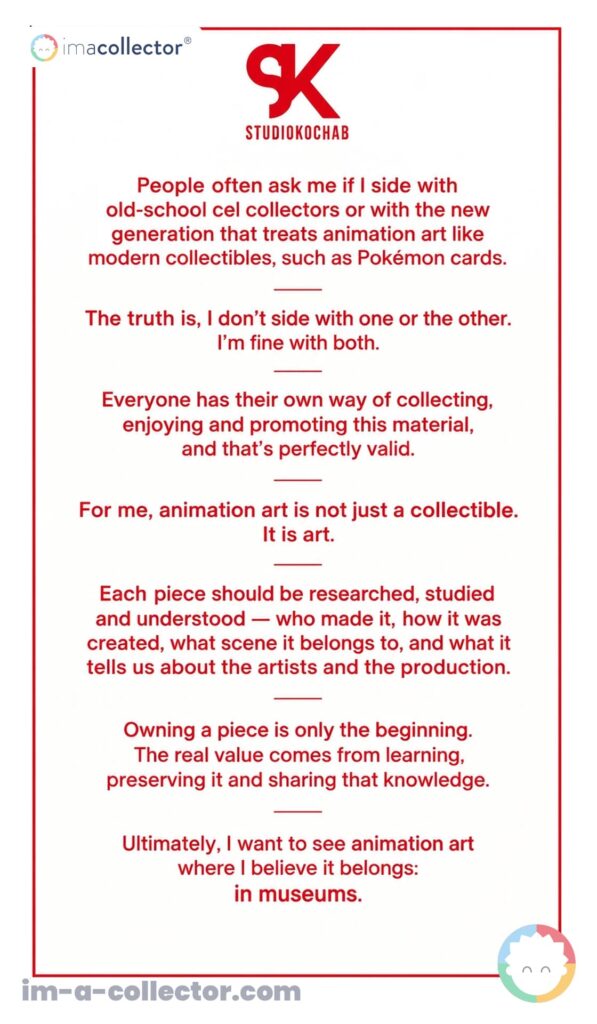
A few days after our exchange, I came across two posts that inevitably caught my attention. In the first, the same person explains that everyone has their own way of collecting, appreciating and promoting animation art, and that all of those approaches are entirely valid. He also stresses the importance of researching each piece: understanding who created it, which scene it belongs to and what it can teach us about the artists or the production itself. He even concludes that owning a piece is only the beginning, and that its real value comes from the research around it, its preservation and the sharing of that knowledge.
On all of that, we agree almost completely.
And yet, when someone he does not know approaches him with a publication devoted to collecting, production drawings and, increasingly, animators, he does not even take the time to look at that person’s work before explaining that he has “never seen them in the research circles”.
“I’ve never seen you in the research circles”
That is probably the sentence that stayed with me most from the exchange (just behind the insults, of course).
I can completely understand an author choosing to send the few copies available to people they already know. If I were funding a limited print run myself, I would probably do the same. I have no criticism to make on that point.
Using the fact that you have never come across someone as evidence that they lack legitimacy is much harder to defend.
I do not know most of the people doing serious work on Japanese animation. I regularly discover researchers, authors and collectors, both Japanese and Western, whom I had never heard of before. Some of them probably do far better work than I do. I am fully aware of that, and if anything, it motivates me to earn my own place by showing the value of what I produce.
The fact that I do not know them changes nothing about the quality of what they produce. The internet can give us a badly distorted sense of what a community actually looks like. We follow the same accounts, join the same groups and interact with the same people for years. Gradually, it becomes easy to believe that this network represents an entire field. Or worse, that it represents its very best.
When someone arrives from outside that circle and their name means nothing to the people already inside it, they immediately become “the newcomer”, even if they have been collecting for twenty years or have known the animation world for even longer.
I find that idea even stranger in a field as fragmented as Japanese animation, where an enormous amount of information is still scattered across old blogs, magazines, private archives, forums, artists’ accounts and personal collections. There is no single “research circle”. Much like Facebook groups or Discord communities, there are dozens of them, and many barely know the others exist.
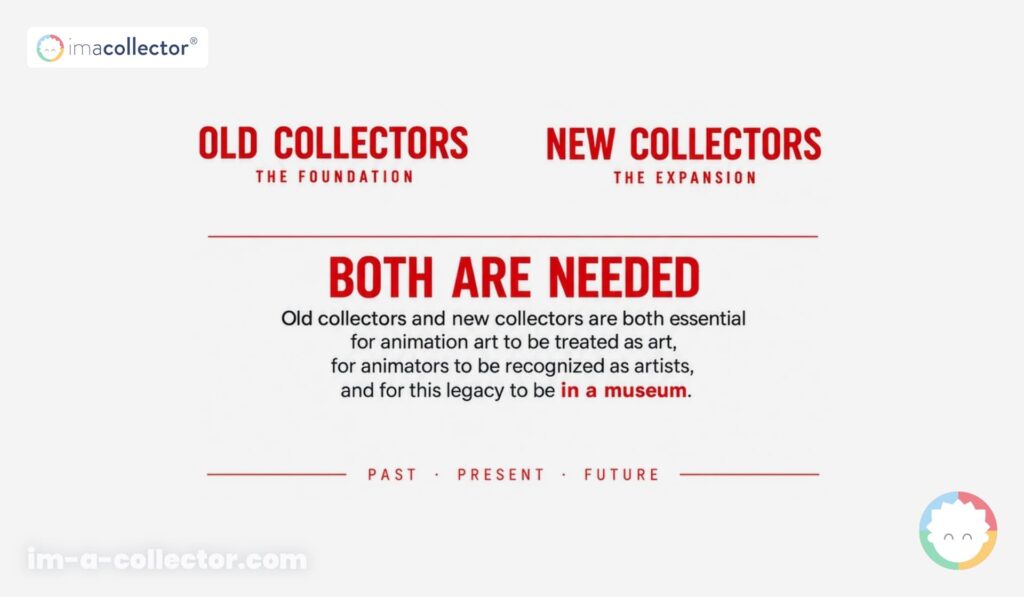
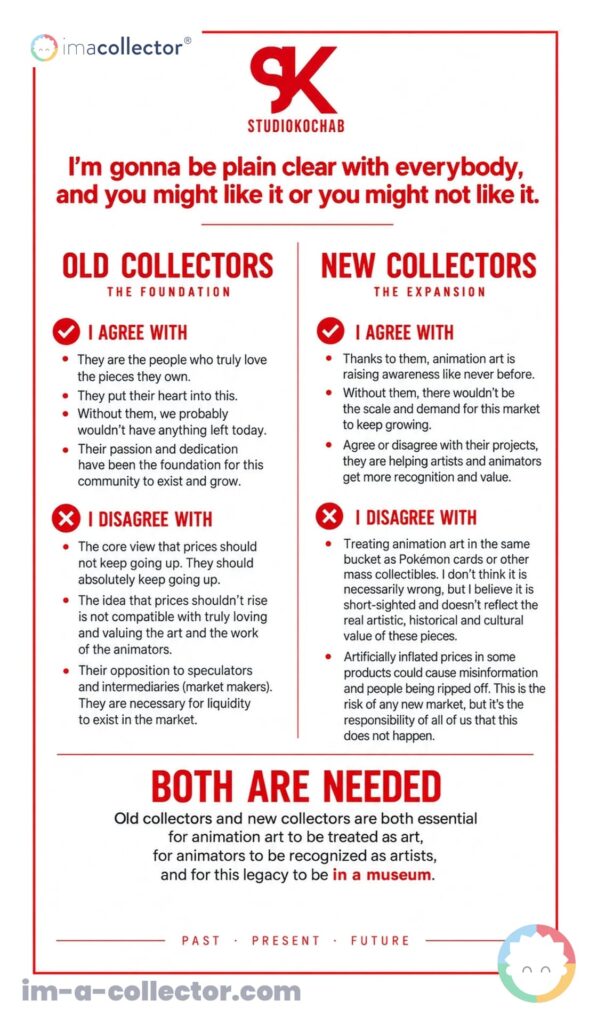
In another post, he describes older collectors as “the foundation” and newer ones as “the expansion”, before concluding that both are needed. I can only agree. This hobby will not survive forever with the same people. Some new collectors will discover it through Instagram, others through an auction or an exhibition, while some will simply learn that it is still possible to find materials that were actually used to make the anime they love.
If newcomers really are necessary to the future of this hobby, we also have to accept that they will not all come through the door the old guard has chosen to watch.
Why experience alone does not make you an animation expert
To me, experience matters enormously and deserves respect. Someone who has been collecting for thirty years has inevitably seen more pieces than someone who has just started. They have lived through periods of the market that newer collectors never experienced. They have probably also learned to notice things that can only be understood through time and patience.
I listen to those people. I ask them questions. Sometimes I am genuinely impressed by what they know. What I have never understood is why that experience should automatically give anyone the right to look down on newcomers — or on anyone else.
Everyone started out knowing very little at some point. I certainly did. Like any beginner, I bought pieces without fully understanding what was in front of me. I paid far too much for some acquisitions. I took people at their word. I am still learning every day.
Part of what allowed me to move forward was meeting people who were willing to answer my questions without first asking me to prove that I deserved their time.
I am not asking long-time collectors to become teachers for every newcomer. They have no obligation to answer everyone. I am simply asking that we stop confusing experience with superiority.
Anime Art collecting: why rarity does not equal value
This is probably one of the less pleasant things I have learned over my years of collecting: you can own an extraordinary collection and still have very little to say about it. I have seen pieces worth several thousand euros presented almost entirely through their price, their rarity or the number of people who wanted them.
By contrast, I have spoken with collectors who own far more modest pieces but can spend twenty minutes explaining why a particular drawing matters, which scene it belongs to, what can be seen in the corrections and why they wanted to acquire it in the first place.
I know exactly which of those two conversations I will remember.
The growth of animation art on Instagram and at auction probably has not helped. Acquiring an impressive piece can generate immediate visibility. Today, an entire collection can become a public showcase in which every new acquisition reinforces the image of the person who owns it.
I am not criticising people for showing their collections. I do it myself, and even then, less than 5% of my own collection is online. What I criticise is the point at which ownership, online visibility and membership of certain circles start being treated as substitutes for knowledge.
Personally knowing a particular animator or collector does not automatically make someone an animation historian. It can provide access to extraordinary information. But that still requires knowing how to ask the right questions and not being interested solely in expanding a collection.
There is another passage in one of the posts that also raises questions for me. Among the views attributed to older collectors that he says he agrees with is the idea that prices must keep rising, and that speculators and intermediaries are necessary to provide liquidity to the market. I find that position much harder to accept.
Since when has recognition of a drawing, or of an animator’s work, depended on its price increasing? A genga does not become more culturally significant simply because its value rises from €500 to €5,000. And talking about “market makers” or liquidity in relation to animation drawings means importing the language of financial markets into this hobby, something I have disliked from the beginning.
That feels particularly strange when, a few lines later, the stated ambition is to distinguish animation art from Pokémon cards and eventually see these pieces enter museums.
I understand that prices rise with demand and scarcity. I also understand a collector refusing to sell a piece for less than what it is genuinely worth. I have written about that myself several times. What bothers me far more is presenting rising prices as an almost natural condition for artists to receive recognition.
Animators are not another kind of trophy
This is something I think about increasingly with imacollector®. I want to meet more animators. I want to talk about their work, understand their careers and reconnect some of the names behind the images we collect.
I have started building a few of those relationships, and I already realise how fortunate I am to have that opportunity. I always ask myself what a relationship like that actually allows me to document and what it genuinely adds to my work.
For some people, however, the main value seems to be having the opportunity to repeatedly remind others that they know someone personally. To me, that has very little interest. I even find it rather contradictory to claim to support animators and their work while using those same people as markers of status.
An artist is not another phone number in your contacts or another piece to add to a collection.
You can close a door without slamming it in someone’s face
I completely understand that not everything can be accessible. Some things need to remain private, while others may take time before they can be shared. A collector may choose to keep certain archives private, and an animator may provide information they do not want to see published.
I am not asking for special treatment. I do not even expect everyone I contact to say yes.
Dans cet échange, une seule phrase suffisait :
“Sorry, the available copies are reserved for contributors to the project.”
That would have been the end of it. I probably would have bought the book later. Saying no to a request is perfectly normal. Getting angry with someone simply for asking the question is much less so.
I did not write this article because I dislike the project. Quite the opposite: I wrote it precisely because its ambition appealed to me. But having seen the way that project is represented, I will pass, regardless of the quality of the work itself.
Because in a hobby where people regularly talk about respecting the works, the artists and the research behind them, it is a shame that the most basic respect between two people can sometimes seem optional.