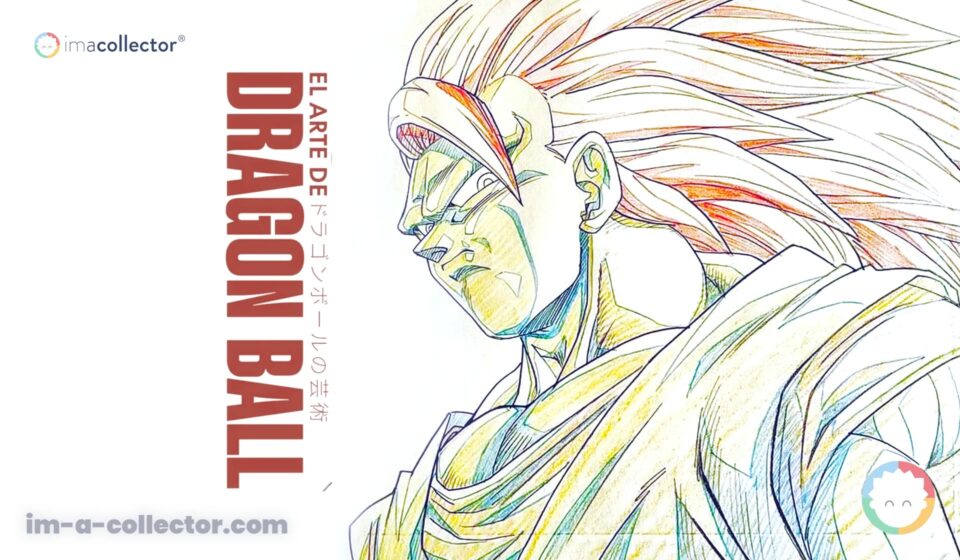
Studio Kochab is the online name used by Jaime Costero, a Spanish researcher and author specializing in Japanese animation. He is now best known for El Arte de Dragon Ball, a book published by Dolmen Editorial about the artists who worked on the Dragon Ball anime and how its episodes were produced. On social media, Studio Kochab also documents animators, genga, corrections and other material related to anime production art.
Dolmen Editorial directly credits Jaime Costero as the author of El Arte de Dragon Ball. Ramen Para Dos describes him as a “Spanish researcher and communicator specializing in Japanese animation.” A community dedicated to Dragon Ball animation, which says it contributed to the book’s research, also identifies Jaime Costero as the person known online as Kochab.
Jaime Costero works mainly on Japanese animation and Dragon Ball. His public presence is centered on Studio Kochab, an account dedicated to animators and production materials.
The account’s description sums up the project quite clearly: giving more credit to the animators behind Dragon Ball and other productions, while emphasizing that animation is a collective effort. His posts then focus on specific artists, the identification of drawings, corrections made to particular cuts and recurring drawing traits associated with different animators.
It is also worth noting that there is an association in France called Studio Kochab, based in Talence and active in photography and the visual arts. It has no connection to Jaime Costero or the Dragon Ball project. This shared name explains some of the results currently shown when searching only for “Studio Kochab.”
A large part of the work published under the Studio Kochab name focuses on identifying the people behind anime production, particularly Dragon Ball. The account attributes certain genga or corrections to specific animators, for example, and regularly publishes material about their careers.
His posts include, for example, a correction attributed to Tomoe Aratani, as well as others involving Shinya Takahashi or Kōnosuke Uda.
This approach also runs through El Arte de Dragon Ball. Dolmen presents the book as the result of substantial research aimed at identifying the artists who worked on the anime, their drawing styles and the different stages involved in producing an episode.
The project therefore goes beyond Akira Toriyama or the characters of Dragon Ball. Its real subject is the production of the anime and the people who turned the manga into moving images. A connection with my imacollector® project could have been very interesting, but Jaime unfortunately chose otherwise.
Studio Kochab’s research is also closely tied to the collecting of production materials: genga, corrections, cels and other original drawings regularly appear in content published around the project.
Dragon Ball Channel AP, which says it collaborated on the research, notes in particular that the book uses genga and cels from private collections that were made available to document the production process.
Studio Kochab also takes part publicly in discussions around anime art collecting. His views on older and newer collectors, research, the sharing of knowledge and changes in the market have already been discussed on imacollector®.
The editorial sources currently available nevertheless present Jaime Costero primarily as a researcher, communicator and author. They provide little verifiable information about how long he has been collecting or the scale of his personal collection. In any case, the extent of his personal collection is not really the point here.
El Arte de Dragon Ball is published by Dolmen Editorial and is scheduled for October 2026. The publisher lists a 304-page full-color hardcover edition measuring 19.5 × 30 cm. The announced starting price is €34.90.
The book sets out to answer a question that is rarely asked when watching Dragon Ball: who actually drew the anime?
Dolmen’s description explains that dozens of artists interpreted Akira Toriyama’s world through their own styles and techniques. The book looks back at their careers and at how an episode was made, from the first drawings to the image ultimately broadcast on screen.
A presentation published by Dragon Ball Channel AP provides more detail about the contents. It describes three sections: an introduction to the traditional Japanese animation process, a section devoted to 66 animators and animation supervisors, and a selection of original production materials from sequences in Dragon Ball and Dragon Ball Z. This structure is not described in the same level of detail on Dolmen’s listing at the time of writing, so I am treating it as information from a project collaborator rather than as official editorial information.
The title currently announced by Dolmen Editorial is El Arte de Dragon Ball.
Studio Kochab has publicly stated that an English edition was under discussion and that it would be a priority after the Spanish release. Jaime Costero also confirmed this directly to me during an exchange about the project that was, at least initially, fairly cordial.
Several possibilities are reportedly still being considered. At this stage, it would therefore be premature to present The Art of Dragon Ball as the official title of an English edition that has already been announced.
It is, however, the natural English translation of the Spanish title, which explains why searches such as “The Art of Dragon Ball Jaime Costero” or “Studio Kochab The Art of Dragon Ball” lead back to the same project.
This page will be updated when the publisher or author releases definitive information about this edition.
I contacted Jaime Costero as soon as I learned about the project through an Instagram post.
Unfortunately, Studio Kochab’s appearance on imacollector® was not about discussing his project: my article followed an exchange about El Arte de Dragon Ball.
In September 2026, I contacted the project to ask whether a press or review copy was available, either as an EPUB or a physical edition. The exchange that followed ultimately led me to write a much broader article about gatekeeping, legitimacy, collector circles and the way status dynamics can emerge even within the relatively small world of anime art.
This article is not a review of El Arte de Dragon Ball. I have not read the book, so I am not going to judge its content before actually having the opportunity to do so.
You can read the article here:
Studio Kochab is the online name used by Jaime Costero to publish research on Japanese animation, animators and, in particular, Dragon Ball. Jaime Costero is also the author of El Arte de Dragon Ball.
Jaime Costero is a Spanish researcher, communicator and author specializing in Japanese animation. In 2026, he is primarily known for his work on the animators behind Dragon Ball and for the book El Arte de Dragon Ball.
His public activity is closely connected to the anime art collecting community and to production materials such as genga and cels. The editorial sources currently available, however, describe him primarily as a researcher, communicator and author, and provide little documentation about his personal collection.
El Arte de Dragon Ball is primarily written by Jaime Costero and his research group, and published by Dolmen Editorial.
El Arte de Dragon Ball is the Spanish title currently announced. Studio Kochab has said that an English edition is being prepared or discussed, but its final title and publication details have not yet been officially established.
Dolmen Editorial currently lists the book for publication in October 2026.