

Beet the Vandel Buster: why discover this manga from the creators of The Adventure of Dai?

Did you grow up watching Fly on TF1’s Club Dorothée, follow Dai and Popp’s adventures in the manga, or discover their story more recently through the new Dragon Quest anime? Riku Sanjō and Kōji Inada created another sweeping fantasy adventure, launched in 2002 and left on hold for years: Beet the Vandel Buster. It’s a series that deserves a place on collectors’ bookshelves again.
Table of contents
- Riku Sanjō and Kōji Inada: two creators who understand the strengths of shōnen manga
- Beet the Vandel Buster: a world under the Vandels’ rule
- The Saigas: five weapons, five ways to fight
- Poala and Kissu: companions who grow at different speeds
- The Vandels: enemies whose personalities shape the fights
- Kōji Inada’s artwork: Dragon Quest roots, an identity of its own
- A series that almost vanished before its story was told
- In France, a publication history marked by years of interruption
- Why Beet is still worth reading today
In 1994, French viewers of Club Dorothée met Fly, a young boy who dreamed of becoming a hero in a world full of monsters. Behind the name chosen for the French broadcast was Dai, the protagonist of Dragon Quest: The Adventure of Dai, a manga that had been running in Japan since 1989.
For an entire generation, Fly was an early introduction to Japanese fantasy. Battles with Hadlar, training under Avan, and Dai and Popp’s adventures filled afternoons in front of the television. The theme song performed by Bernard Minet became part of those memories too.
The anime, however, ended after just 46 episodes. French viewers saw only part of the story Riku Sanjō and Kōji Inada had imagined. To find out what happened next, they had to turn to the manga, which J’ai Lu began publishing in 1996 under the title Fly.
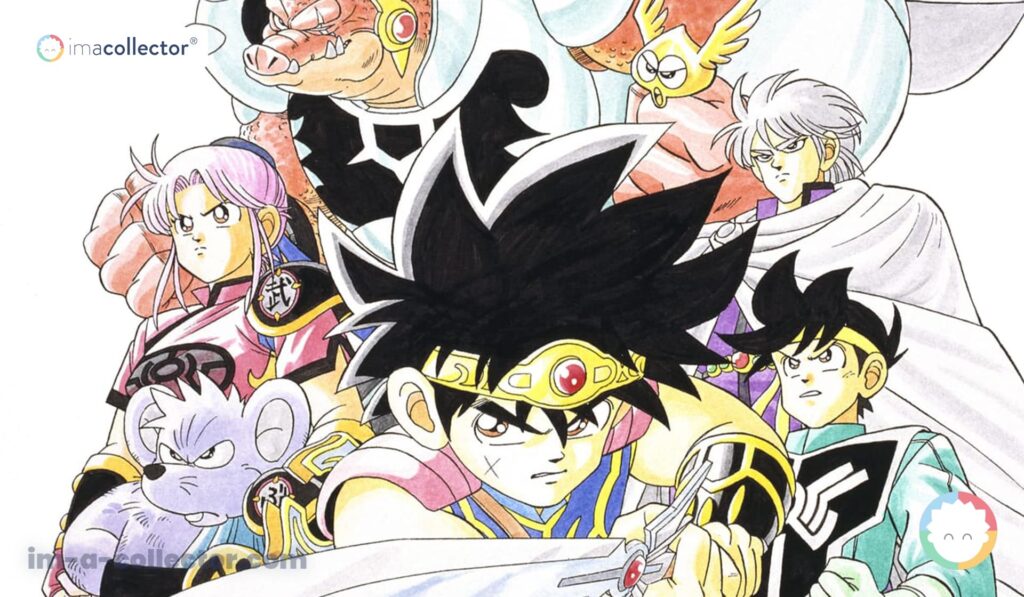
The series holds a distinctive place in the history of manga publishing in France. It has passed through several generations, editions and even titles. After J’ai Lu’s Fly, Tonkam began republishing it in 2007 as Dragon Quest: La Quête de Daï. Delcourt/Tonkam followed with a new edition, The Adventure of Daï, in 2022.
In 2020, a new anime adaptation finally brought the complete adventure to television. Nearly thirty years after the first series, Dai and Popp returned for an audience that could follow their story all the way to its conclusion.
Meanwhile, their creators had developed another work. It shared their interest in characters shaped by hardship, battles where strategy matters as much as strength, and opponents driven by motives of their own. This time, they stepped away from Dragon Quest to build an original world ruled by exceptionally cruel creatures.
That work is Beet the Vandel Buster
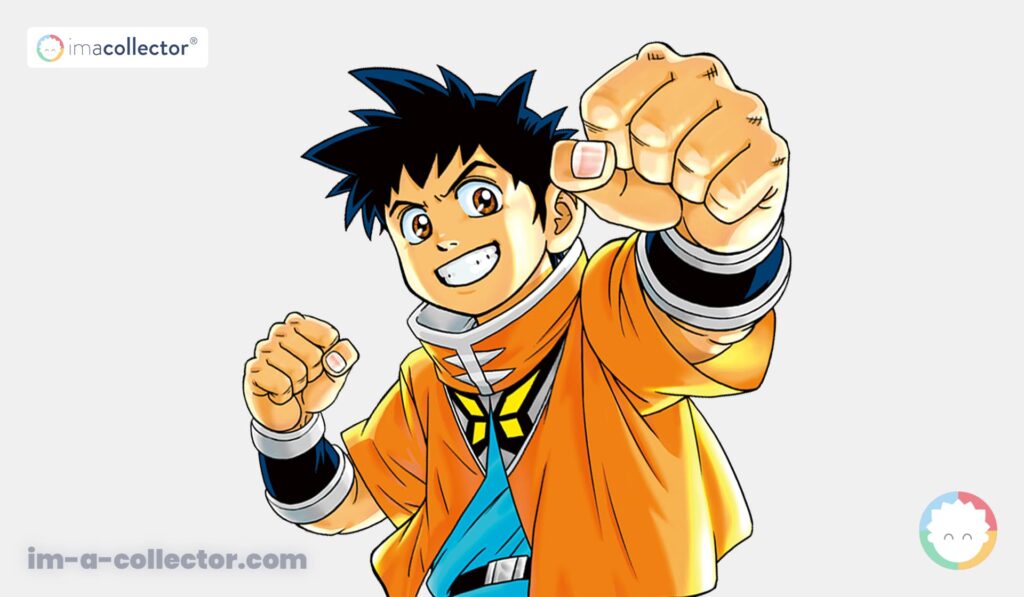
Riku Sanjō and Kōji Inada: two creators who understand the strengths of shōnen manga
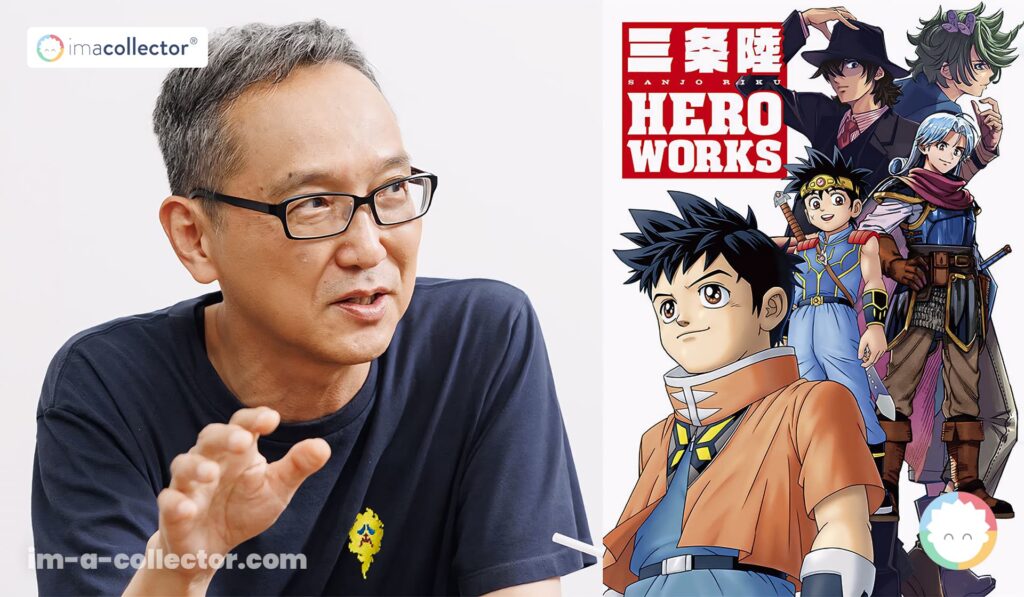
Dragon Quest: The Adventure of Dai began its run in Japan’s Weekly Shōnen Jump in 1989, alongside titles such as Dragon Ball. Riku Sanjō wrote the story and Kōji Inada drew the manga. Their collaboration continued until 1996, spanning 37 volumes.
The setting draws on the Dragon Quest games, whose visual identity is inseparable from Akira Toriyama’s designs. Within that universe, Sanjō and Inada crafted their own story around Dai, his companions and the enemies who stand in their way.
Popp is perhaps one of its most memorable characters. An apprentice mage who is often terrified by the dangers he faces, he has to overcome his doubts and fears before he can recognise his own worth. His development unfolds over dozens of chapters, through encounters, mistakes, tears and confrontations. He has abilities he cannot always make use of, particularly when fear gets the better of him.
The antagonists receive just as much care. Hadlar, Hyunckel and Baran have motivations and personal histories that make them every bit as compelling as the heroes. Sanjō spends time exploring their contradictions, their relationships and the decisions that can radically change their place in the story.
Kōji Inada gives these characters a striking presence. His highly expressive artwork makes emotions and movement equally easy to read. Even battles that run over many pages remain clear from one action to the next.
That approach to storytelling helps explain why The Adventure of Dai still inspires such affection. For Sanjō and Inada, a fight is never simply a test of who is stronger. It also forces characters to confront their fears, contradictions and responsibilities.
In 2002, six years after The Adventure of Dai ended, the two creators reunited for a new series: Beet the Vandel Buster.
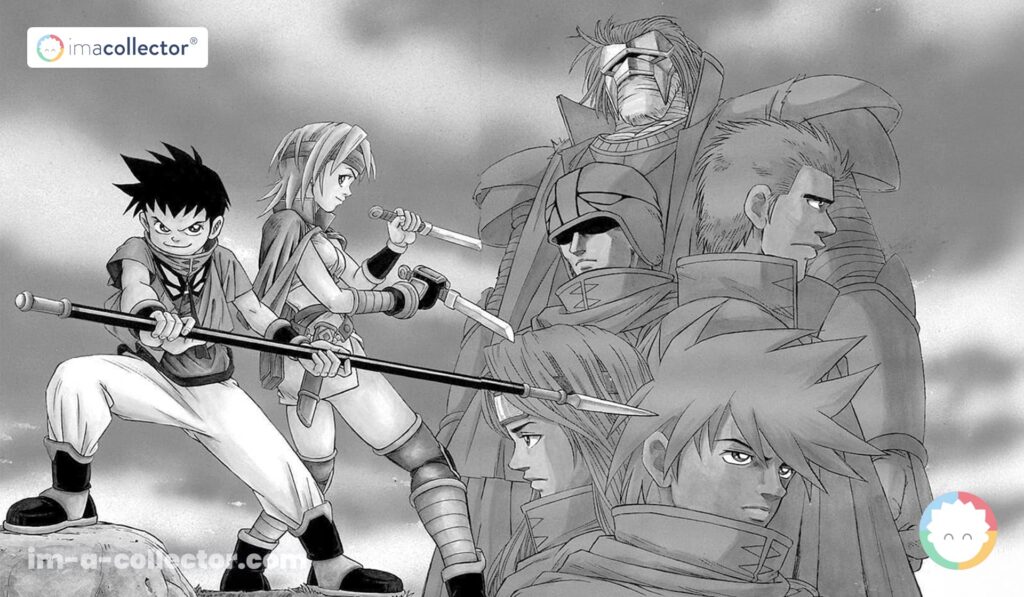
Beet the Vandel Buster: a world under the Vandels’ rule
The manga opens in a world engulfed by an age of darkness.
The Vandels, powerful beings capable of controlling monsters, have subjugated humanity. Villages live under their rule, and people depend on Busters, fighters who specialise in hunting Vandels, for any hope of safety or even freedom.
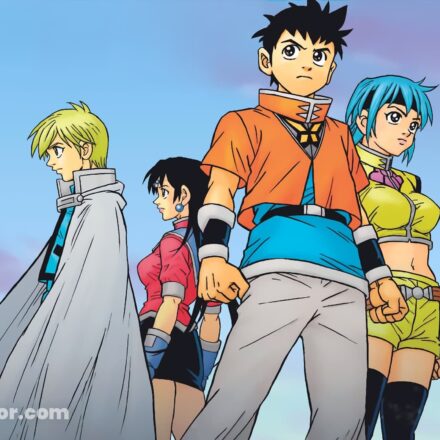
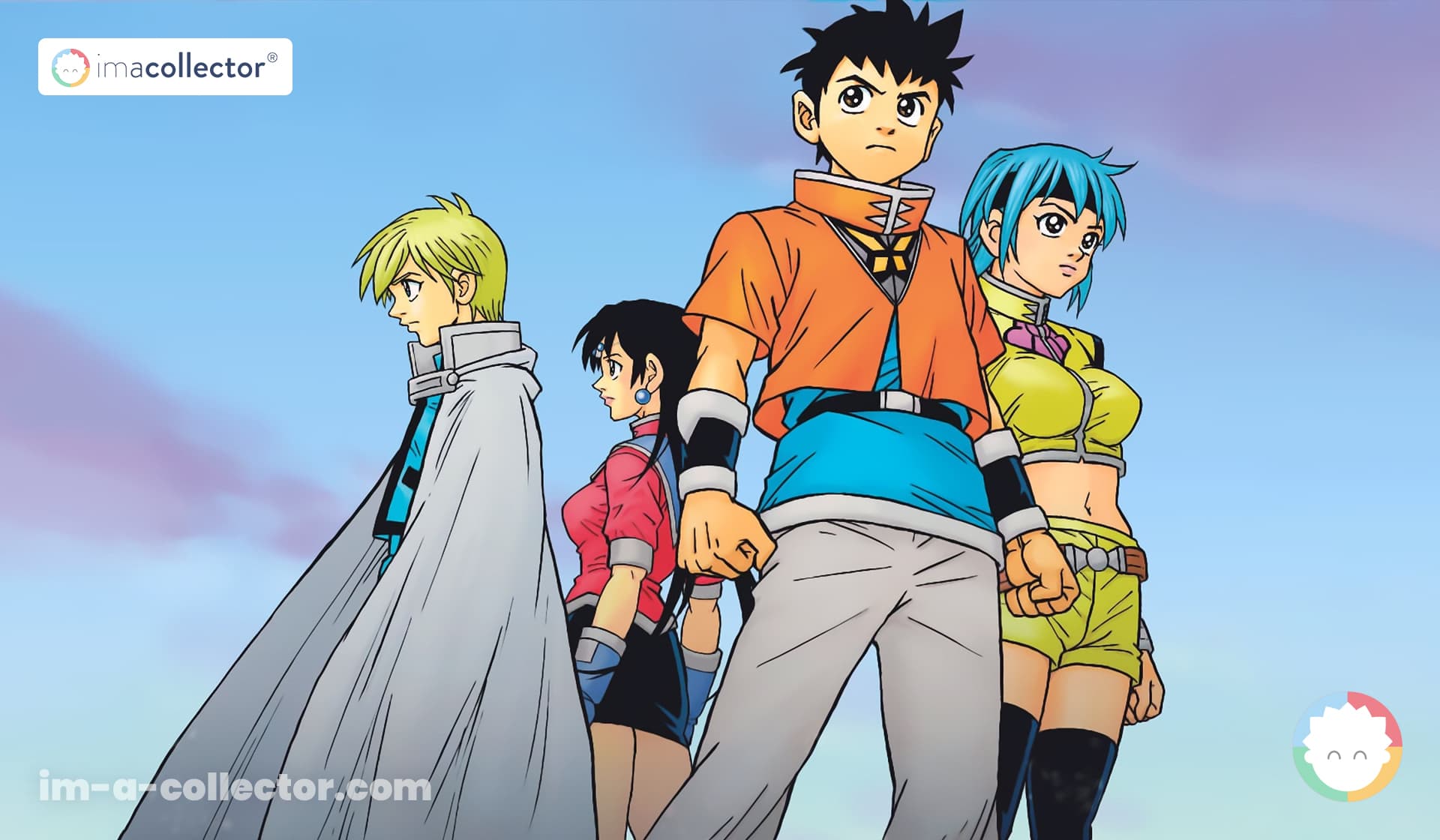
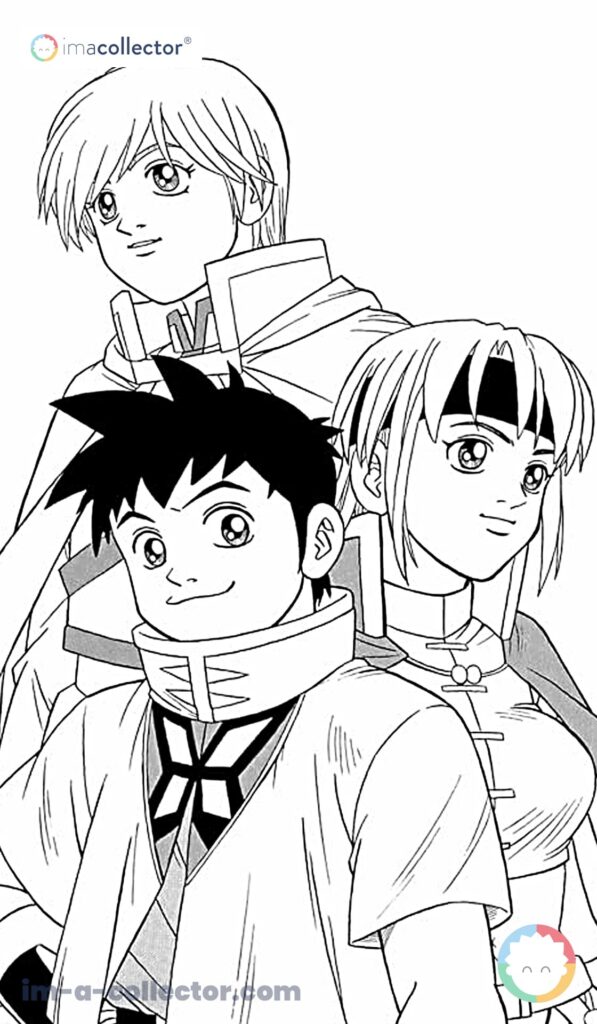
This is the world inhabited by Beet, a young boy who idolises these warriors. Above all, he admires his older brother Zenon and his team, regarded as some of the strongest Busters on the continent.
During a battle against the formidable Vandel Beltorze, Beet suffers a fatal wound. To save him, the five members of Zenon’s team pass their remaining life force to him through their weapons, the Saigas.
The boy survives, but the five warriors vanish without a trace.
Three years later, Beet sets out with his childhood friend Poala. He wants to become strong enough to stand against the Vandels and bring the age of darkness to an end.
He has inherited the weapons of five extraordinary fighters, but none of their experience. He must learn to wield them while carrying the weight of the sacrifice that saved his life.
The journey begins with an eager, sometimes reckless hero who believes determination alone will see him through. The Vandels soon show him just how much more dangerous the world is than he imagines.
What sets Beet’s world apart is the brutality of its enemies and the precarious lives of the people under their control. The Vandels dominate entire territories, and the Busters cannot be everywhere at once. A defeat can have devastating consequences for the communities they are trying to protect.
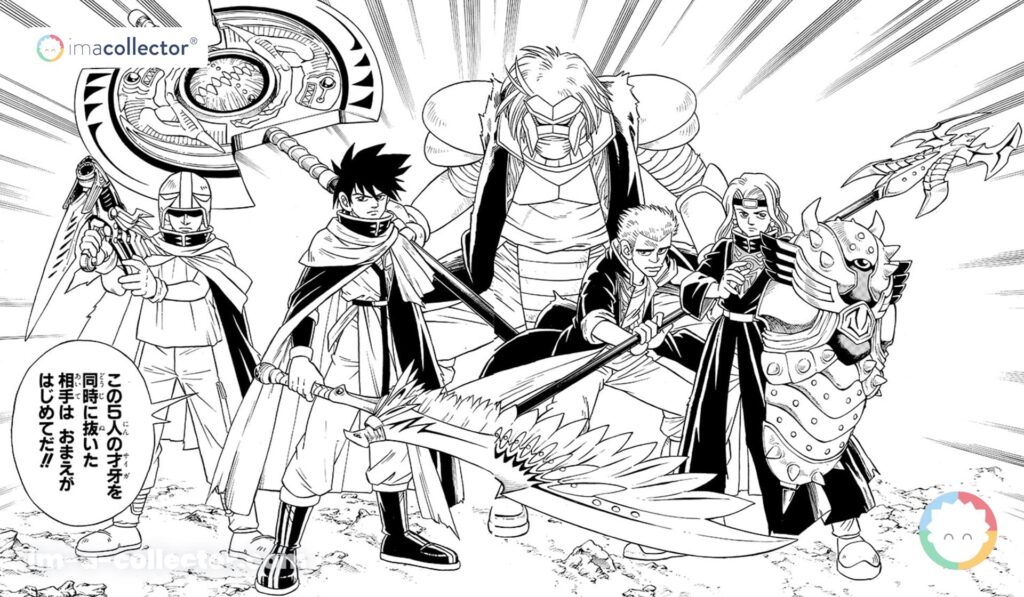
The Saigas: five weapons, five ways to fight
The Saiga system is one of Beet the Vandel Buster’s most engaging ideas.
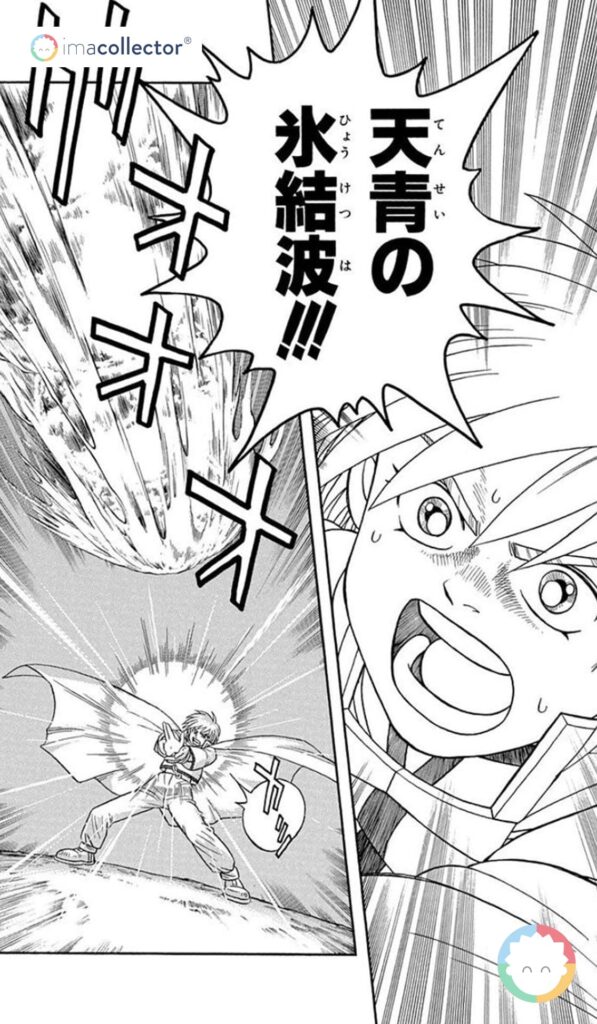
In this world, Busters harness an energy known as Tenryoku, which allows them to perform elemental techniques called Tengeki. More experienced fighters can also give this energy physical form as a personal weapon known as a Saiga. Its shape and abilities depend on the wielder’s individual strengths, and mastering it takes considerable experience.
Not every Buster possesses a Saiga, however. Milfa wields the Lightbolt Grasper, a massive electrified pincer, while Slade uses the Silent Grave, an invisible weapon. At the beginning of the series, Poala still fights with conventional weapons and gradually develops her elemental techniques. Despite his exceptional abilities, Kissu relies entirely on his mastery of Tengeki.
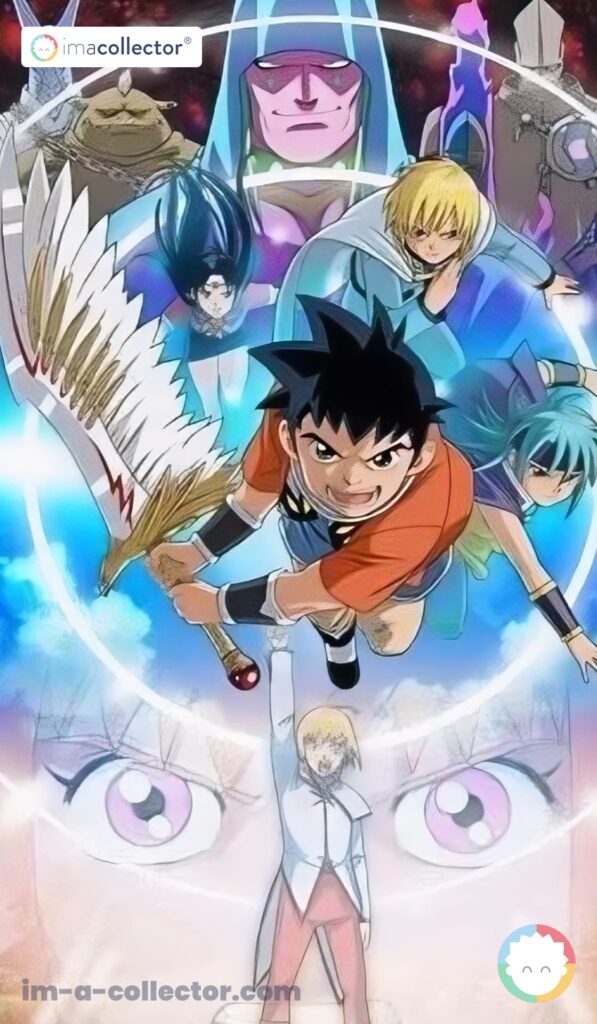
Beet is an exception in this world. He possesses five Saigas inherited from the members of Zenon’s team: a sword, a spear, a shield, an axe and a ranged weapon. Each has its own distinctive properties, but Beet must learn to master weapons originally wielded by fighters whose abilities were very different from his own.
This variety gives the battles a tactical dimension that reminds me of RPGs. Against certain Vandels, Beet must study his opponent’s abilities and choose the most suitable Saiga. Ranged attacks, close-quarters combat and defending with a shield each offer very different possibilities.
The five Saigas also maintain a lasting connection to Zenon’s team. Learning to master them is part of Beet’s growth, while each weapon serves as a reminder of the sacrifice made by the fighters who saved his life.
Poala and Kissu: companions who grow at different speeds
Beet’s determination seems almost limitless. He believes he can reach his goal and retains remarkable confidence even in the most dangerous situations.
His childhood friend Poala joins him from the outset. She has courage of her own and refuses to sit out the fighting. Yet her progress takes place in the shadow of a boy whose abilities can seem far beyond hers.
That gap is central to her journey. Poala wants to grow stronger, earn her place among the Busters and take part in battles on equal terms. Her development becomes more significant as she gains experience and discovers her own abilities. At the same time, she must contend with a persistent sense that she cannot measure up to some of her companions.
Kissu provides a particularly revealing contrast. He has exceptional talent for elemental techniques but suffers from a profound lack of self-confidence.
His abilities can be astonishing, yet his behaviour often betrays hesitation and fear. When his companions need protecting, however, he can display tremendous power and resolve.
Much of Kissu’s appeal lies in the distance between what he can actually do and what he believes himself capable of. Having powerful techniques is not enough to make him feel ready for the challenges ahead.
Through Poala and Kissu, the series explores growth as something more complex than collecting new attacks. Their struggles do not disappear as they improve, and their relationships with Beet change as they learn to fight together.
The Vandels: enemies whose personalities shape the fights
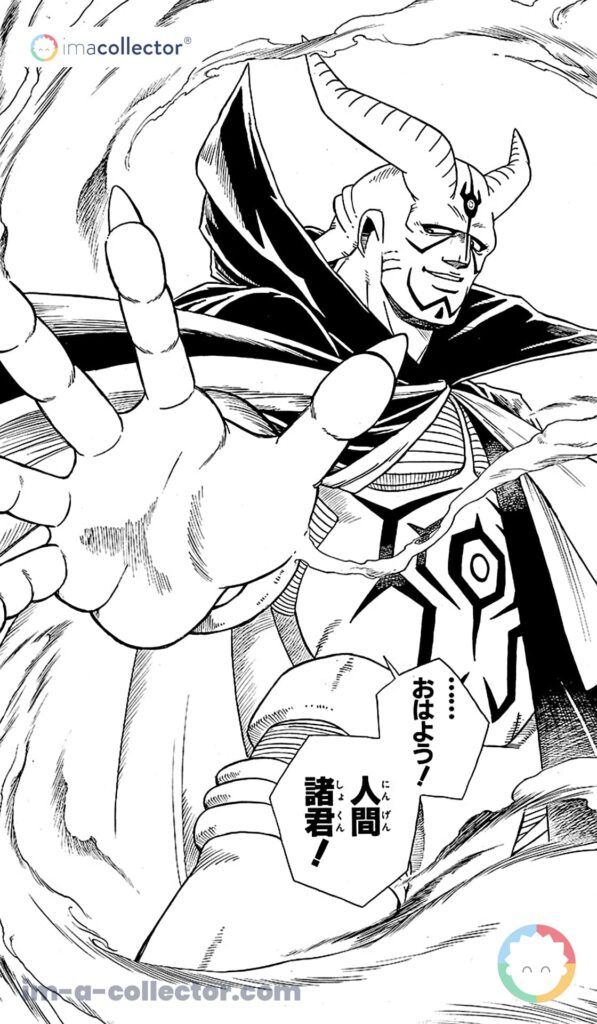
The Vandels have ambitions of their own, and no two behave quite alike.
Their power is reflected in a star-ranking system that distinguishes the most formidable among them. This hierarchy parallels the Busters’ progress and gives readers a sense of the dangers they may face.
Some Vandels look openly monstrous; others have more human features. Their abilities are just as varied and can completely change the terms of a confrontation.
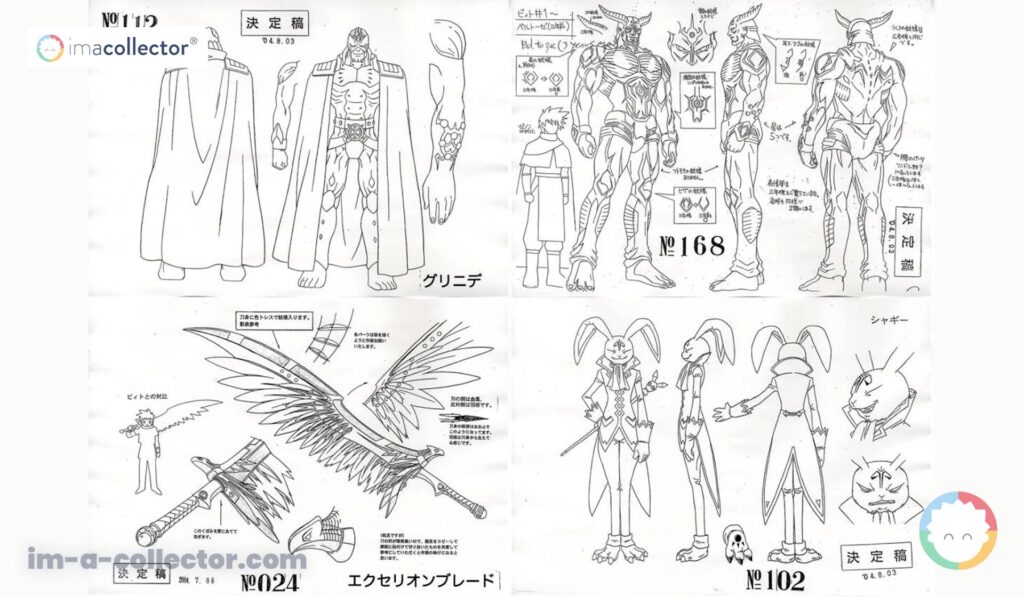
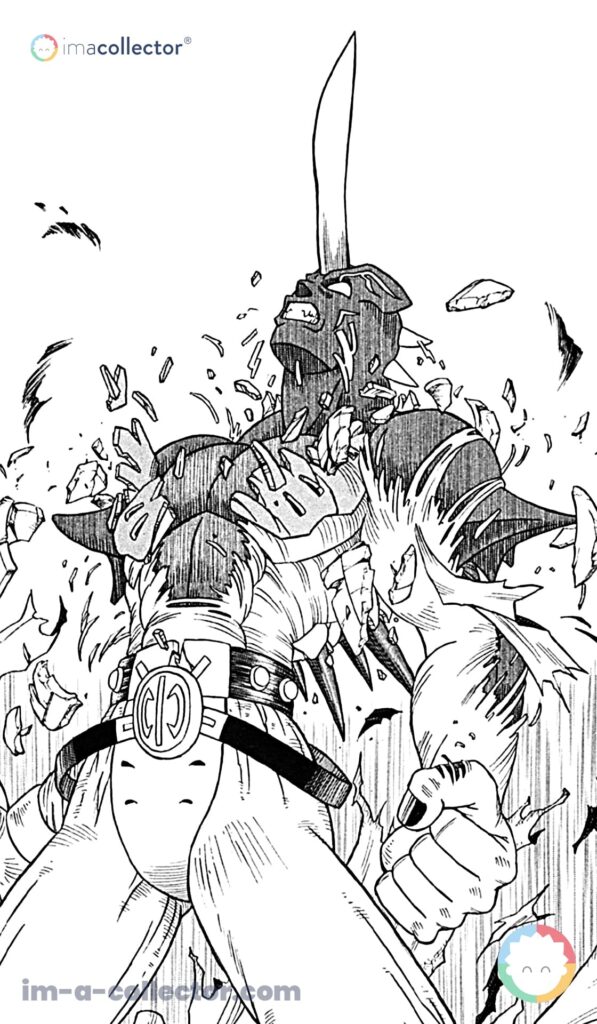
Grineed, one of the first truly formidable opponents Beet and his friends encounter, is desperate to maintain his composure despite an exceptionally violent temperament. He tries to keep his anger under control, but his outbursts expose extraordinary brutality.
That contradiction makes him compelling. His temperament is inseparable from his powers: both his anger and his attempts to suppress it directly influence the battles in which he takes part.
Beltorze occupies a special place in the story. Involved from the start in the events that lead to Zenon’s team’s disappearance, he remains a deeply unsettling presence. His appearances are relatively rare, which only heightens anticipation of his next move and his part in what lies ahead.
Other Vandels gradually enter the story, each with their own abilities, ambitions and relationships with the creatures around them.
Fights can stretch across several chapters, allowing readers to learn how an enemy’s techniques work, how they behave and how the Busters try to defeat them. An opponent’s character can matter as much as their powers, especially when their decisions change the course of a battle.
Kōji Inada’s artwork: Dragon Quest roots, an identity of its own
The first pages of Beet immediately bring The Adventure of Dai to mind.
The faces, expressions and movements all bear Kōji Inada’s unmistakable touch. His art retains its ability to shift a character in an instant from comic exaggeration to a far more serious reaction.
Inada also pays close attention to the physical differences between fighters. The imposing silhouettes of certain Vandels, their transformations and their distinctive anatomy all strengthen their presence in combat. These visual details quickly convey the kind of threat Beet and his companions are facing.
The Saigas provide another source of visual variety. Their shapes, sizes and properties change the way characters hold themselves and move. A spear, an axe and a shield require different techniques, making the battles visually more diverse.
Inada keeps his action sequences remarkably clear, even when several characters unleash spectacular techniques at once. Changes of expression carry both the moments of tension and the lighter, more humorous passages.
That visual continuity makes Beet easy to approach for readers of Dai. They find a familiar artistic style applied to new characters and creatures designed for a different world.
Katsuyoshi Nakatsuru also contributed to the manga’s creation, with Shueisha officially crediting him for design collaboration. A well-known figure in Japanese animation, particularly for his work on Dragon Ball, Nakatsuru would later serve as a character designer on the Beet the Vandel Buster anime alongside Naoyoshi Yamamuro.
A series that almost vanished before its story was told
The first volume of Beet the Vandel Buster was published in Japan in October 2002. The manga was serialised in Shueisha’s monthly magazine Monthly Shōnen Jump.
The series soon received a television anime produced by Toei Animation. The first run comprised 52 episodes broadcast in Japan between September 2004 and September 2005. It was followed by Beet the Vandel Buster: Excellion, a 25-episode sequel. Video games based on the franchise were also developed.
Then, in 2006, the manga went on hiatus because of Kōji Inada’s health problems. Twelve volumes had been released, and the story was left unfinished.
For almost a decade, readers waited to see whether it would return.
In April 2016, Sanjō and Inada finally resumed the series in Jump SQ.CROWN. After another interruption, publication continued in Jump SQ.RISE from 2018, on a more intermittent schedule.
For readers who discovered Beet in the early 2000s, that return carried particular weight. An adventure left suspended for nearly ten years was moving forward again, with its original creators still at the helm.
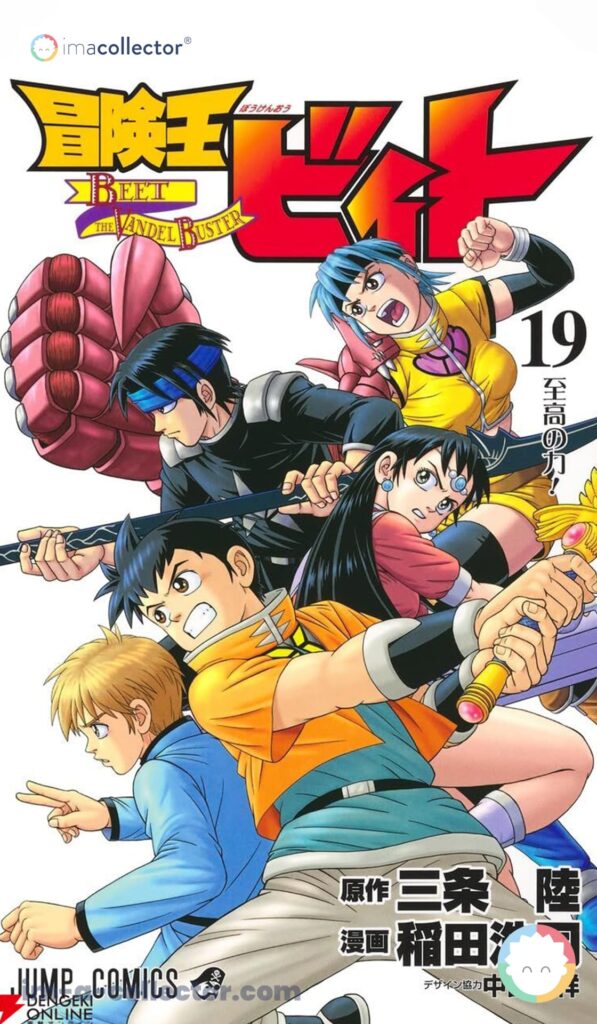
The manga is still ongoing in Japan. Volume 19 was released there on 5 January 2026.
In France, a publication history marked by years of interruption
Kana began publishing Beet the Vandel Buster in France on 22 September 2006.
The timing soon proved difficult: the manga had just gone on hiatus in Japan. The first twelve volumes appeared in French, but readers then had to wait until August 2019 for volume 13.
Publication then stalled again for several years.
In October 2024, a statement from Kana about titles being withdrawn from sale even suggested that the series would not continue in France. The publisher quickly corrected the information and confirmed that further volumes were still planned.
Volume 14 finally arrived on 21 November 2025, followed by volume 15 in January 2026, volume 16 in May and volume 17 in August. The eighteenth volume was announced for November 2026.
Readers who put their collections on hold can now pick up the adventure again, while newcomers have seventeen French-language volumes through which to discover Beet’s world.
Why Beet is still worth reading today
Beet the Vandel Buster belongs to a generation of adventure manga that made room for long journeys, unfamiliar territories and battles built around each character’s particular abilities.
Part of the pleasure comes from watching the characters learn to understand their enemies in order to defeat them. Some Vandel abilities are difficult to grasp at first, and Beet does not always have the experience to respond effectively. His five Saigas give him plenty of options, but he still has to work out which one to use, and when.
This tactical dimension makes the fights compelling for reasons beyond displays of raw strength. It develops alongside the hero, while Poala, Kissu and the rest of the group follow paths of their own.
Their world also has a harsh edge. Ordinary people live under Vandel rule, and Busters risk their lives to protect them. Beneath Beet’s enthusiasm and the comic moments, the dangers the characters face never truly go away.
The connection to The Adventure of Dai is unmistakable. There is Kōji Inada’s art, Riku Sanjō’s approach to building battles and several storytelling devices already used in their earlier collaboration. Some characters may even remind readers of Dai’s cast, which will not necessarily appeal to those looking for a radical departure from traditional adventure-shōnen conventions.
But Beet has more than enough distinctive features to be appreciated on its own terms. Its Vandel-dominated world, weapons inherited from missing warriors and companions struggling with their own limitations give it an identity of its own.
Starting the series today also means accepting that its ending has yet to be published. Still, after a hiatus lasting almost a decade, the manga’s revival and the resumption of its French release have made it possible to continue an adventure that many readers thought they would never see again.
More than anything, I hope Beet finds readers who missed its original run. Those who grew up with Fly already know what Sanjō and Inada can bring to an adventure manga. Others now have the chance to discover the pair through a series that, despite its troubled publishing history, still has plenty of story left to tell.
For anyone who enjoyed The Adventure of Dai, Rave or the great fantasy adventures of the 1990s and 2000s, Beet the Vandel Buster more than earns a place on the bookshelf.
My thanks to Kana for sending me a copy of volume 17 of Beet the Vandel Buster while I was preparing this article.