

Secret of Mana: the seed that awakened my love for JRPGs

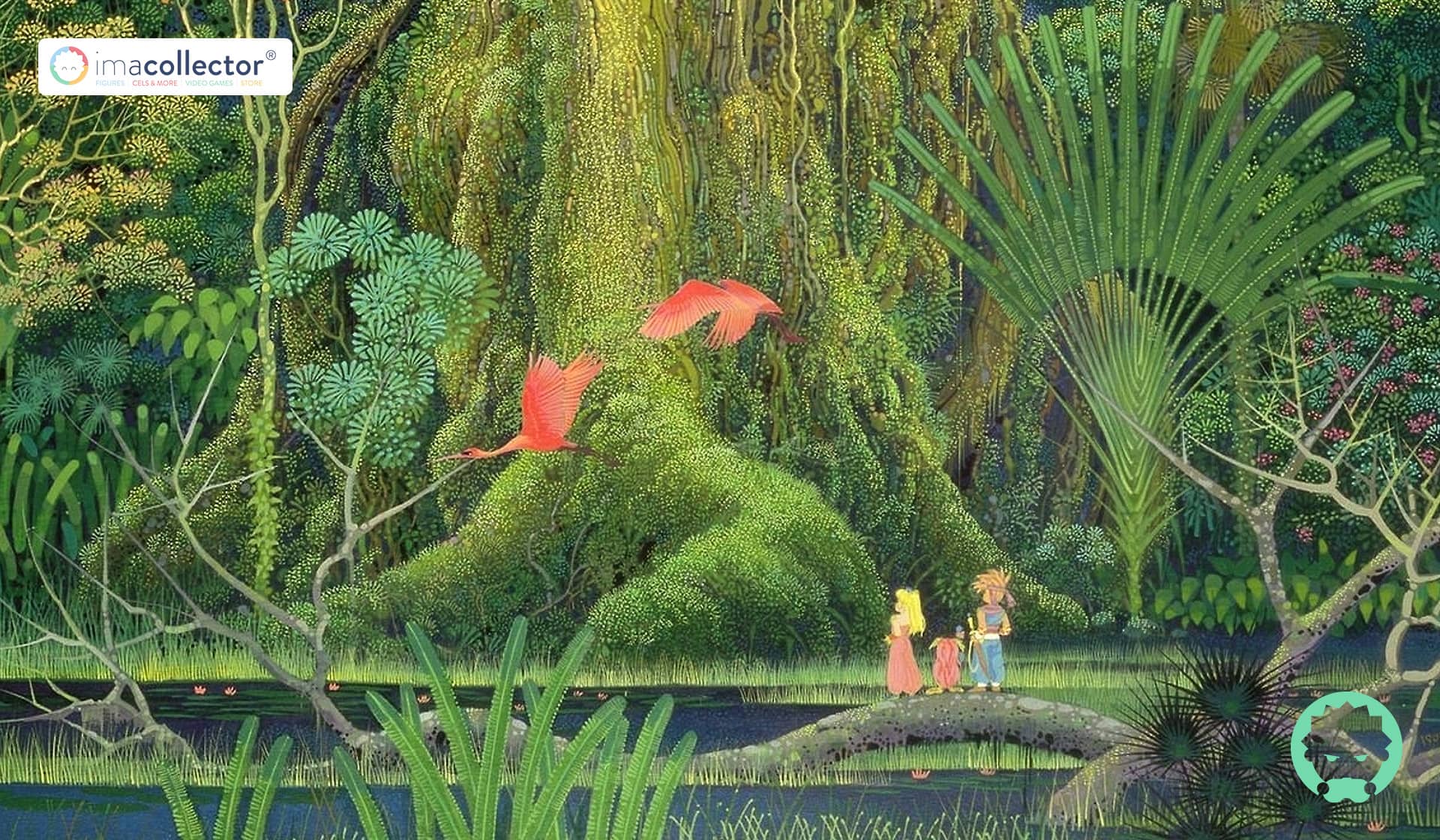
There’s an image that has never left me.
A slightly blurry CRT screen, the saturated colors of the Super Nintendo, and that enormous tree appearing before my eyes — as if it had always existed.
In the background, a strange sound I had never heard anywhere else but recognized instantly: the call of whales.
Table of contents
- The child in front of the screen: discovering a universe
- The shock of emotion: losing a companion
- The beauty of imperfection
- Cooperation: sharing a world
- The resonance today: the child with the sword and the adult who writes
- What this game taught me without saying it
- A universal meditation: why some games become personal myths
- Conclusion: returning to the tree
I was still a child. I had no words yet for ecology, or for loss, and even less for the term RPG. But my body already knew. The sounds tightened around my throat, the pixels became more real than the room I was in. And that tree was not just a piece of scenery: it was a promise. The promise that a world was opening before me, wider and more mysterious than anything I had ever known.
That was my first encounter with Secret of Mana. And, without my knowing it, my initiation into JRPGs.
The child in front of the screen: discovering a universe
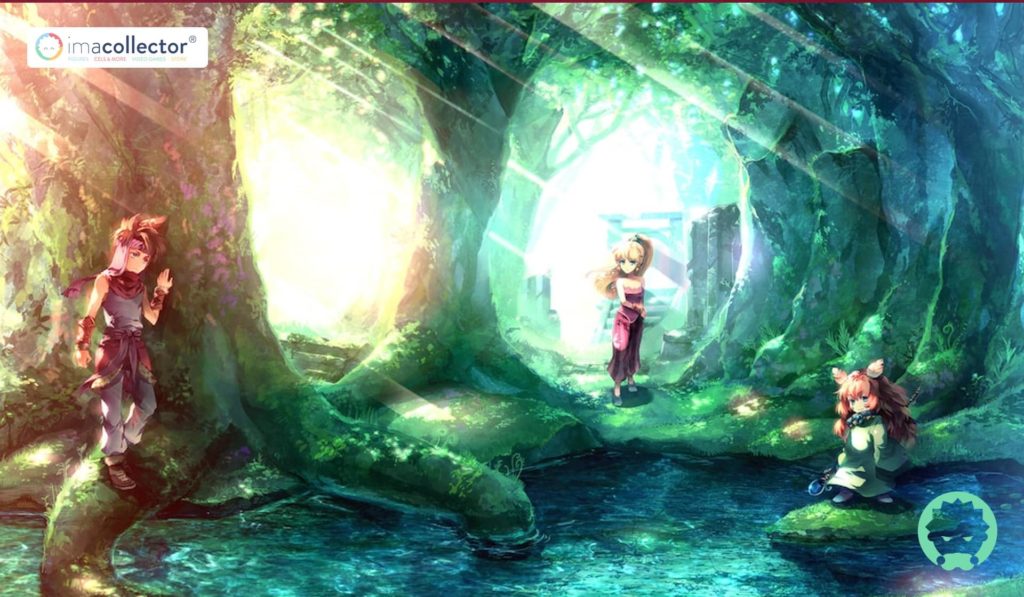
I had not yet played a Final Fantasy. I had not yet walked the futuristic lands of Midgar or the plains of Spira. To me, Secret of Mana was not some cult JRPG. It was simply my first step into another world.
From the very beginning, something pulled me in. The vivid colors, the opening music that seemed to tell a story before I had even pressed “Start.” And above all, that feeling of holding a controller that had suddenly become a key…
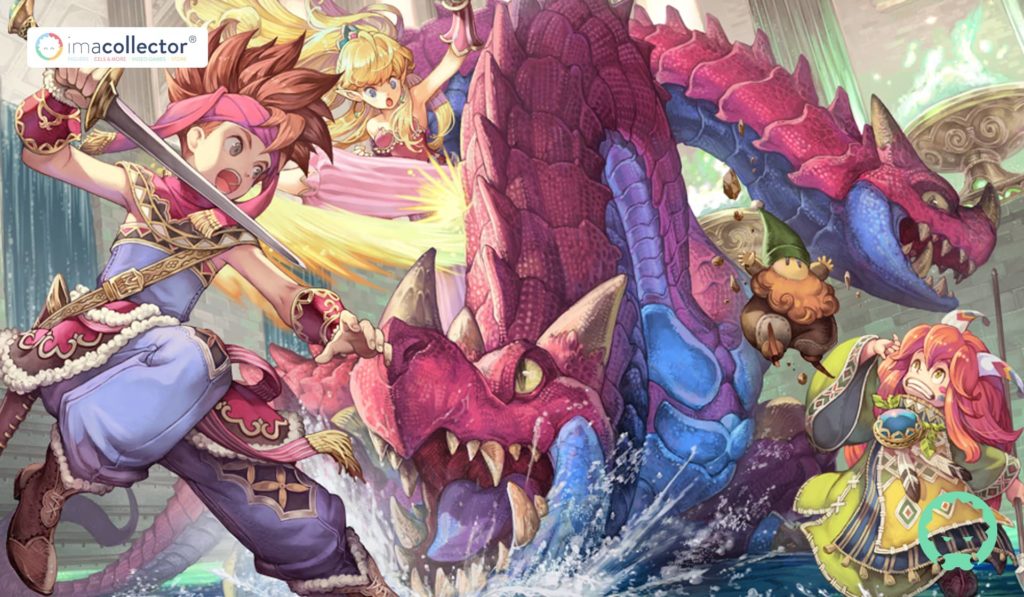
I had become that boy with the sword. Not by choice, but by obviousness. Head down, I rushed into the game just as I would later rush into life itself: with determination, without overthinking, driven by the urge to go further.
Every action became ritual:
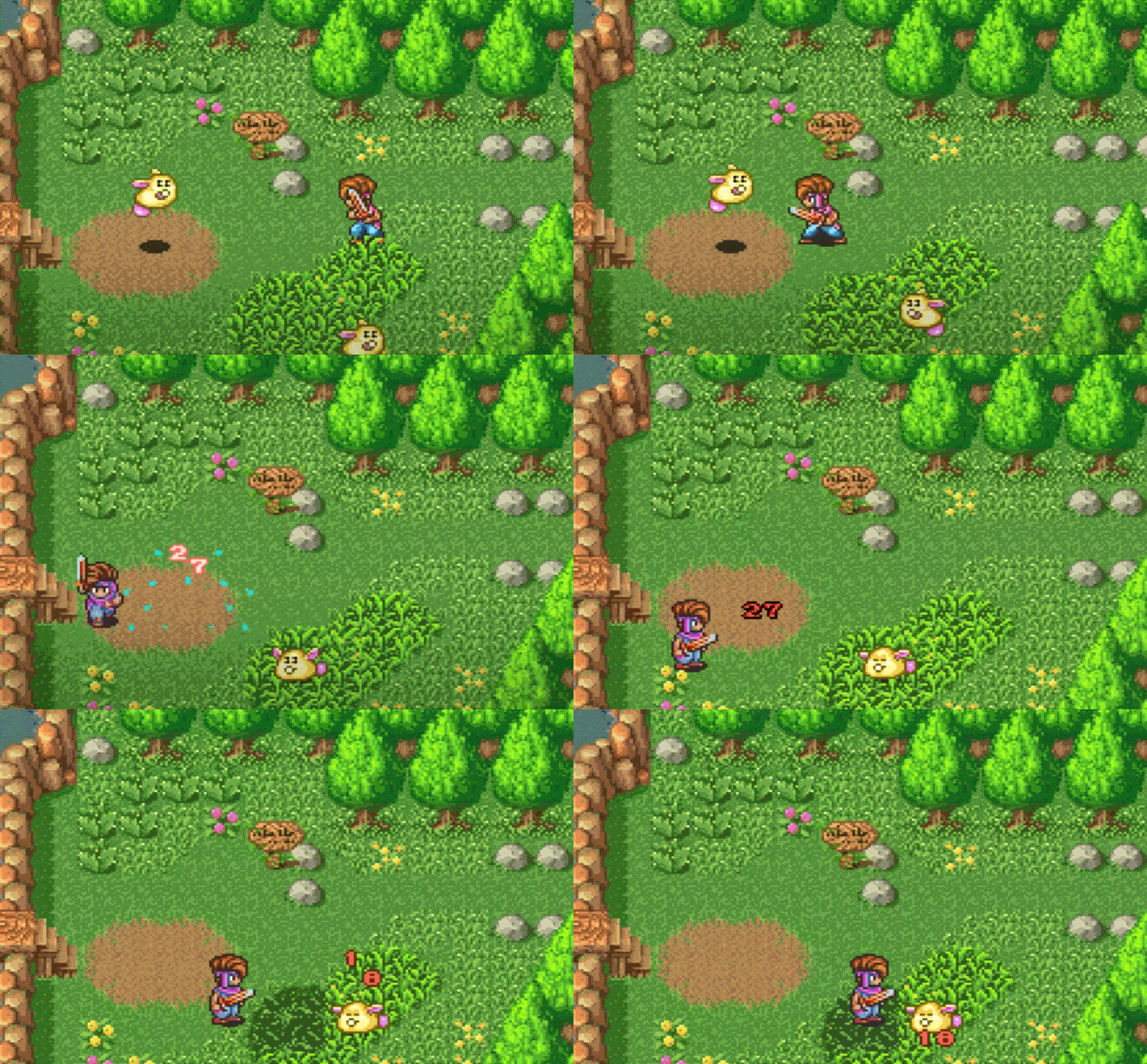
running, waiting for the gauge to fill before unleashing a strike, opening the ring menu to find a spell or item.
Three simple gestures that became a second nature through repetition.
Even today, I think I write and create the same way: I rush in, I charge up, I pause to choose.
The shock of emotion: losing a companion
Secret of Mana also taught me something I had never experienced before: loss.
When one of the three characters dies at the end… I wasn’t ready.
It was sudden. Violent.
It was not just a gameplay event. It was a real absence. A character I had laughed with, fought beside, and grown alongside. I had grown attached to him despite his questionable humor and strong temperament. And suddenly, he was gone.
I remember the exact moment I realized Secret of Mana wasn’t “just a game.”
It was a story capable of tearing something out of me.
Of creating a real emptiness in the middle of a pixel world.
Loss. Sacrifice. Revelation. Three words that shaped that moment and maybe everything I look for in narratives today.
Because JRPGs aren’t just entertainment.
They’re an education in emotion.
The beauty of imperfection
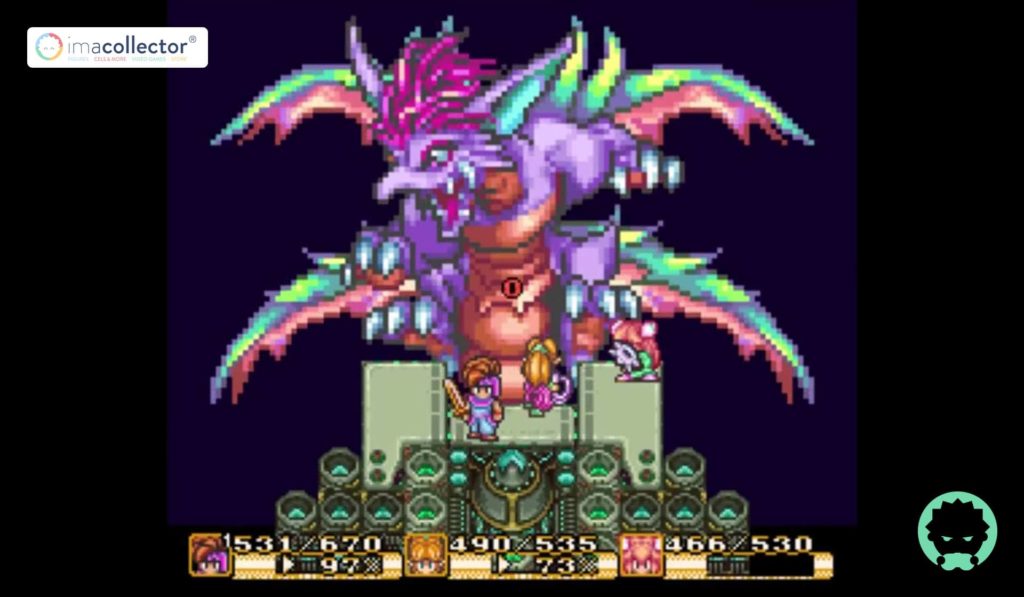
What I also love is that Secret of Mana wasn’t perfect.
Some characters lacked depth. Some bosses were surprisingly easy. And then there were those strange bugs: a disappearing chest, an inaccessible passage, a detail that felt off.
But that’s what made the magic.
I spent hours imagining hidden seeds, lost towns, secret Easter eggs.
Those imperfections gave the world its singularity. As if the world sometimes slipped beyond the creators’ control. As if, behind the machine, there remained a fragile, handmade breath that was purely human.
Even today, I prefer worlds with rough edges.
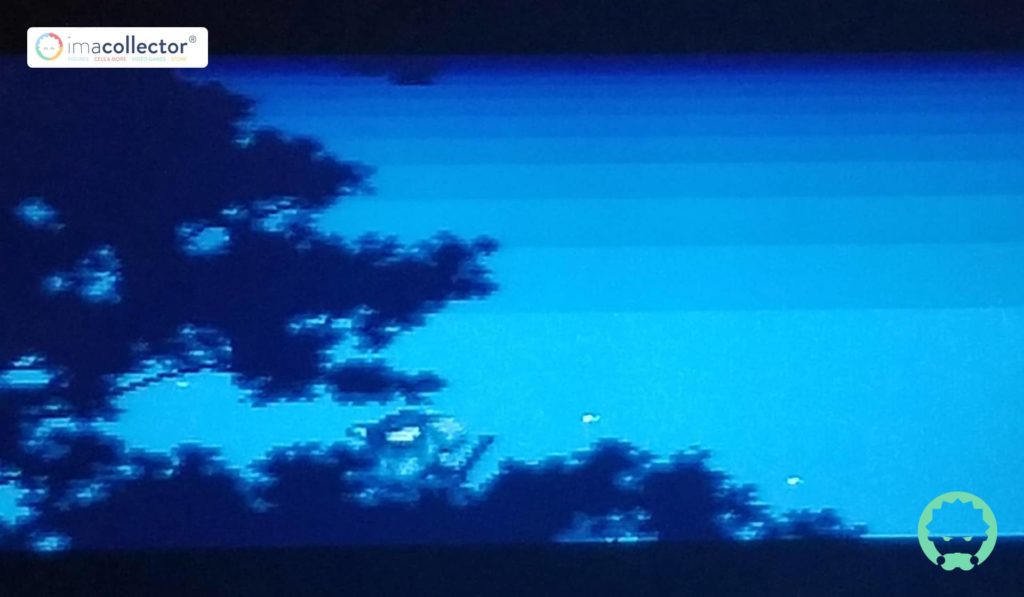
Shaky pixels, little bugs, looping tracks that don’t quite fit.
Because that’s where imagination lives: in the cracks, not the polish.
Cooperation: sharing a world
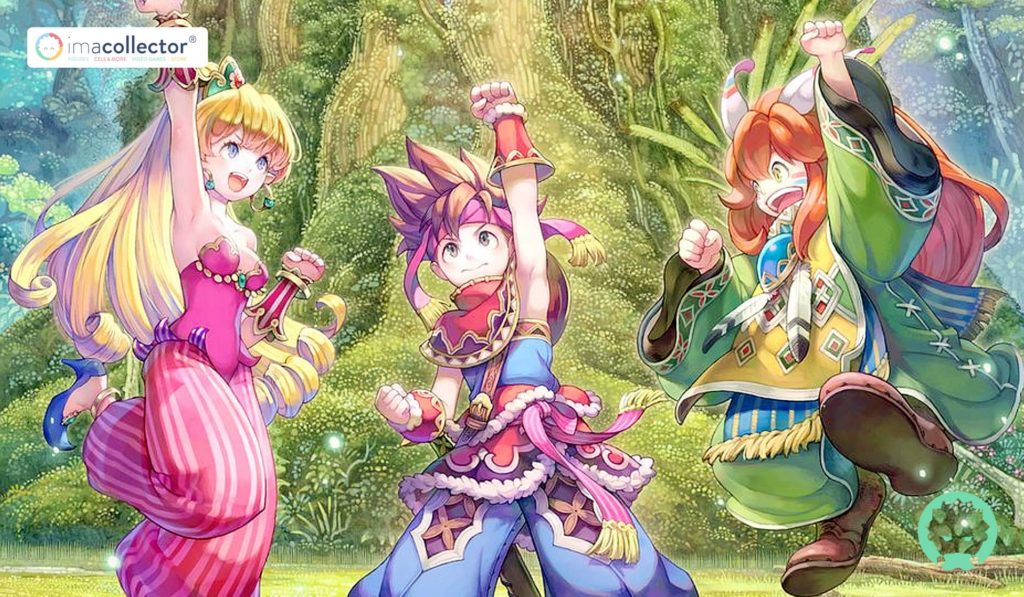
I didn’t always play alone. Sometimes friends grabbed the second controller.
And again, Secret of Mana did something unique: it was a real multiplayer adventure. Not a token 2P mode where the second player barely matters.
Here, for one of the first times, we advanced together.
What struck me wasn’t strategy or difficulty.
It was the absence of tension.
Everyone naturally found their place:
the warrior, the healer, the mage.
No competition, just a quiet harmony.
Maybe that says something about me.
I love worlds where cooperation unfolds without effort, where roles balance themselves.
No grand speeches, no ego.
Just moving forward together, like the roots of a tree intertwining.
The resonance today: the child with the sword and the adult who writes
Today, when I think back on Secret of Mana, I realize one thing: I never truly left that boy with the sword behind. I still often move forward head down, with the same efficiency, the same urge to go straight toward the goal.
But there is one difference: some of my dreams have broken along the way. That may be why this game still resonates so strongly. Because it reminds me what it means to believe, to hope, and to go further without fear.
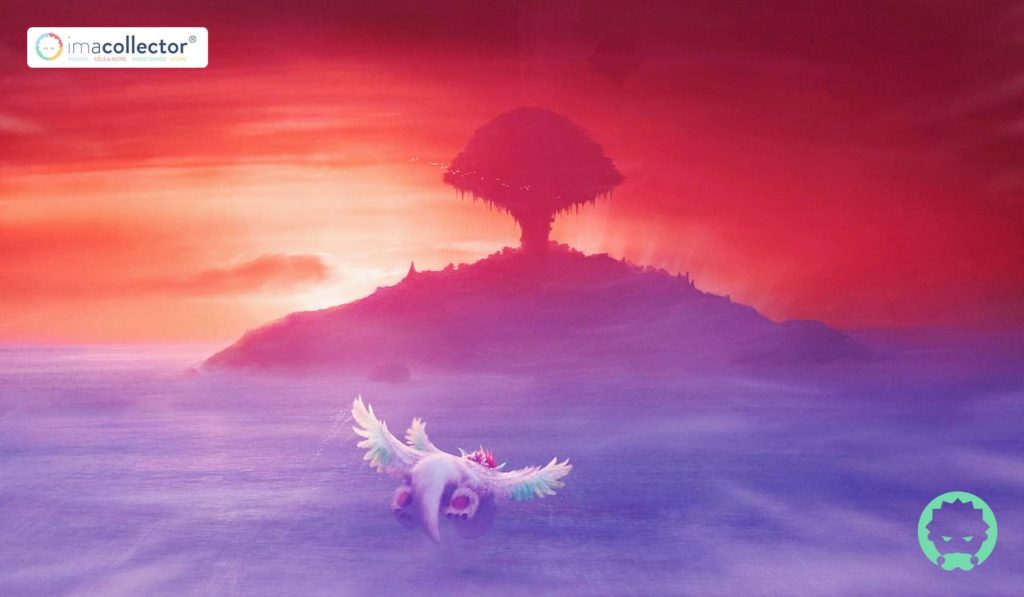
It reminds me that before becoming an adult, I was a child who stood in awe before a giant tree and pink flamingos and that wonder is a weapon far stronger than any defense we build as we grow.
I did not understand ecology right away. But I had recognized the song of whales. Without knowing it, I had already felt that nature had a voice.
The Mana Tree wasn’t a resource — it was something sacred, something to protect.
Years later, when I see the adult I’ve become, I realize I was right to shiver.
What this game taught me without saying it
If I had to summarize what Secret of Mana gave me, I’d say three things:
- A taste for worlds: :ot backgrounds but entire universes waiting to be discovered.
- the value of friendship and cooperation: moving together, each in their role, without stepping on one another — one of the most important lessons there is.
- the strength of loss: growing means accepting disappearances, sacrifices, and dreams that shatter.
And deep down, maybe all of this prepared me for what I do today: exploring, storytelling, transmitting.
A universal meditation: why some games become personal myths
Why is Secret of Mana more than a nostalgic memory?
Because to me, it ticked three boxes that turn a game into a personal myth:
It spoke to my senses — through sound, color, music — before I could even understand it.
It broke me through loss, a raw emotion that made me grow up without noticing.
And it opened a door, a breach into other worlds, into the JRPG genre, into the idea that a game can be larger than the player.
I’m convinced every player has their own Secret of Mana. A game that isn’t just a game, but a root.
A root that continues to nourish the way they see the world.
Conclusion: returning to the tree
When I close my eyes, I can still see that intro screen.
The enormous tree, the whale song, the flamingos gliding past, and that music that grabs you by the gut.
I am no longer the child who discovers. I am no longer only the boy with the sword. I am someone who has grown, who has lost, who has learned.
But the tree is still there.
And that is the magic of Secret of Mana. It is not just a game. It is a root-tree. It connects the child I once was to the adult I have become. Et c’est ça, la magie de Secret of Mana. Ce n’est pas seulement un jeu. C’est un arbre-racine. Il relie l’enfant que j’étais à l’adulte que je suis devenu. It reminds me that despite broken dreams and failures, there is always another world to explore, always a strength to recover, always a distant whale song there to guide me.
And maybe writing this article is, in its own way, my return to that tree —
the one I loved protecting every single time I played.